LED Display Compliance Guide: Certifications by Region and Display Type
An LED display is not “certified” as a product category. Compliance is a folder of documents, and each document is tied to one market, one standard edition and one product scope. A certificate that satisfies a European importer does not answer a Canadian, South Korean or Latin American buyer’s question, and a document issued for a kiosk model does not cover a rental video wall.
This guide is written for buyers in the research and evaluation stage who need to know which documents to request for an LED display project, how to read them, and where the gaps sit. It separates three things: what DDW DISPLAY can document today with certificate numbers, standards and issue dates; what those records actually cover; and what still has to be confirmed for the destination market, the display type and the exact configuration. Only certifications that appear in DDW’s own compliance records are named here.
Short answer: verify LED display compliance at four levels — the market (which documents the destination actually requires), the document type (certificate, supplier’s declaration, registration, field evaluation or test report), the scope (the exact model or series named on it), and the validity date. DDW DISPLAY (Shenzhen DDW Technology Co.,Ltd.) documents EU EMC, EU electrical safety and EU RoHS for LED display, a US FCC supplier’s declaration, a Canadian field evaluation and a South Korean radio registration — but the Canadian and South Korean records name specific kiosk models, not the LED video wall range. Every other market requirement, and every configuration outside a document’s scope, has to be confirmed per project.
Why “Is this LED display certified?” has no single answer
The question feels simple and usually produces an equally simple answer — a logo, a PDF, or a sentence in a quotation. None of those three things tells a buyer whether the document applies to the screen they are ordering.
Four variables decide the answer. The first is the market: an EU buyer and a US buyer are asking about different conformity tracks, and a buyer in the Middle East, Latin America or Africa may be working to a national scheme that has no equivalent in either. The second is the document type: a certificate of conformity, a supplier’s declaration of conformity, a radio equipment registration and a quality management certificate are four different instruments with four different weightings. The third is scope. The fourth is time — certificates carry issue and expiry dates, and a document that was valid for a 2020 shipment may have been superseded or allowed to lapse.
Scope is the variable that causes the most expensive mistakes. DDW’s compliance records make this concrete. The company holds a CSA field evaluation, certificate 4937974-80039764-01, issued by CSA Group Testing & Certification Inc. on 8 April 2020 — and the scope line names touch screen kiosks, model DDW-AD4301TK, evaluated against DQD 502.32. It also holds a KC R-R radio equipment registration, issued by the National Radio Research Agency of South Korea on 29 November 2019, and that scope line names two kiosk models used as advertising monitors, GTM-LDB43 and GTM-LDB32. Neither document is an LED video wall approval, and neither becomes one because the manufacturer also sells LED video walls.
That is not a weakness unique to one supplier. It is how conformity documents work everywhere. The practical consequence for a buyer is a change of method: stop asking “are you certified?” and start asking “which document covers this model, in this market, against which standard edition, and until when?”
How compliance requirements split across an LED display system
An LED display combines several regulated technical areas in one enclosure. LED modules and drivers, the power supply, the receiving and sending electronics, the cabinet and — in an all-in-one unit — an embedded computer and wireless module each raise different questions. That is why a single certificate rarely answers everything.
Electrical safety addresses shock, energy and thermal risk in the power path. Electromagnetic compatibility addresses both emissions and immunity, which is why EMC certificates reference several standards at once rather than one. Substance restriction addresses materials in the product and its manufacturing process. Radio equipment registration becomes relevant when a product transmits wirelessly. Quality management certification addresses the production system rather than any individual product.
DDW’s documented set reflects exactly this split. The records used for this guide include:
- EU EMC: Certificate of Conformity CE-EMC, certificate number BKC25062531FC, issued by Shenzhen BKC Testing Co., Ltd. on 1 July 2025 for market EU/EEA, scope “LED display”, against EN 55032:2015+A11:2020+A1:2020, EN IEC 61000-3-2:2019+A1:2021+A2:2024, EN 61000-3-3:2013+A1:2019+A2:2021 and EN 55035:2017+A11:2020, valid to 1 July 2030.
- EU electrical safety: certificate HXTS2506230030001-1, issued by Shenzhen Huaxintong Testing Technology Service Co., Ltd. on 27 June 2025 for market EU/EEA, scope “LED Display”, against EN IEC 62368-1:2020+A11:2020 under Directive 2014/35/EU, valid to 27 June 2030.
- EU RoHS 2.0: certificate HXTS2506230030007-1, issued 27 June 2025, scope recorded as LED display covering the full series with multiple pitch sizes, against Directive 2011/65/EU as amended by (EU) 2015/863/EU and the IEC 62321 test series.
- United States: Supplier’s Declaration of Conformity BKC25062532FC-R1, issued by Shenzhen BKC Testing Co., Ltd. on 1 July 2025, scope “LED display”, against FCC Part 15 Subpart B and ANSI C63.4:2014, valid to 1 July 2030.
- Canada: CSA field evaluation 4937974-80039764-01, scope touch screen kiosks, model DDW-AD4301TK, against DQD 502.32, issued 8 April 2020.
- South Korea: KC R-R radio equipment registration R-R-Gtm-GTM-LDB43 and R-R-Gtm-GTM-LDB32, issued by the National Radio Research Agency on 29 November 2019, scope kiosk advertising monitors GTM-LDB43 and GTM-LDB32, under Clause 3, Article 58-2 of the Radio Waves Act.
- Quality management: ISO 9001 certificate of registration 12824Q21369R0S, issued by China Standards Institute (Beijing) Certification Center on 12 May 2025 against GB/T 19001-2016 / ISO 9001:2015, scope “Production of electronic products (LED DISPLAY, LCD VIDEO WALL, DIGITAL SIGNAGE) (export only)”, valid to 9 October 2027.
Two observations follow directly. First, the EU and US documents are recent, dated 2025, and carry long validity windows. Second, the ISO 9001 certificate expires in October 2027 while the product certificates run to 2030, so a quality certificate seen today will need re-verification before a project scheduled in 2028.
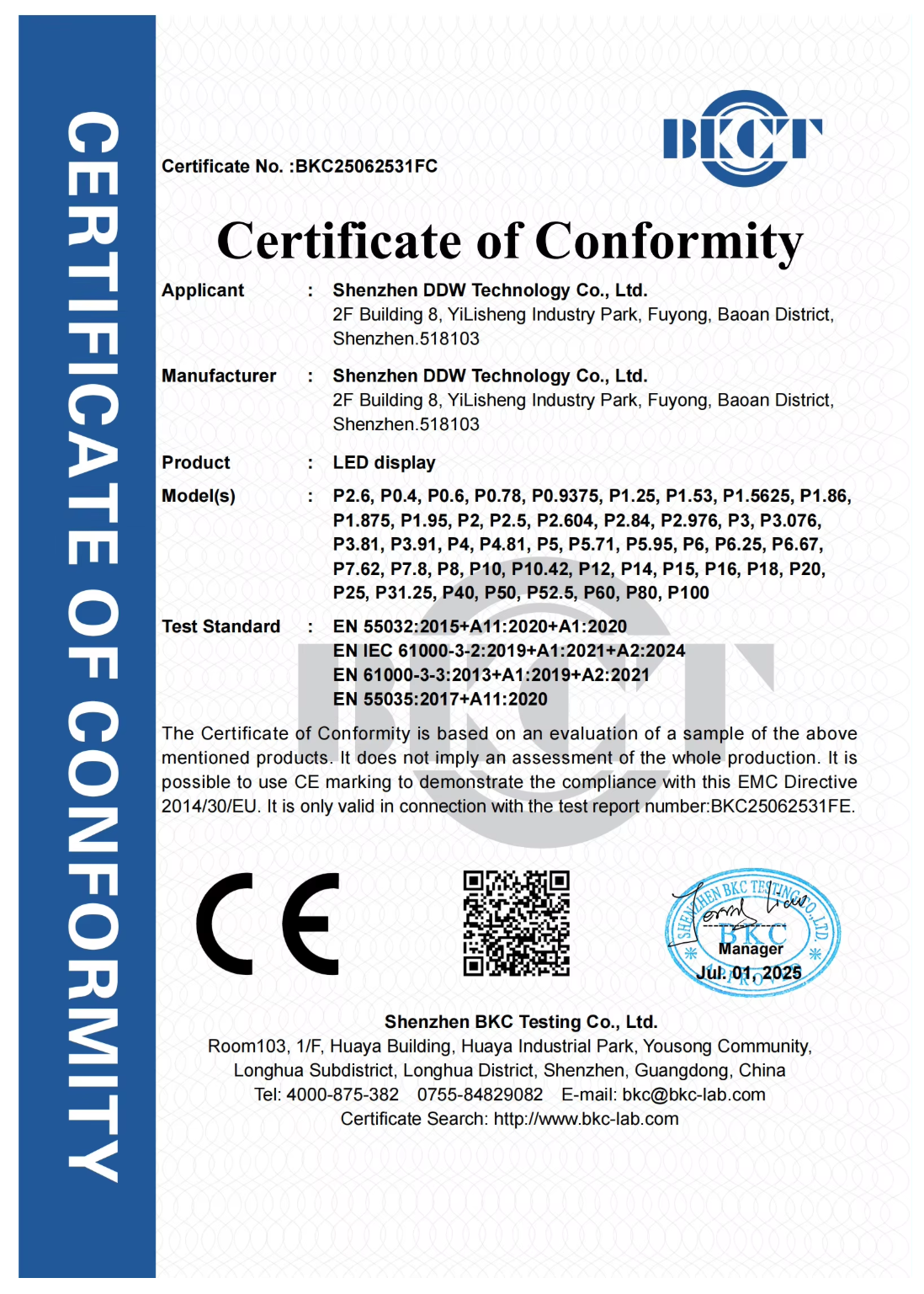
EU EMC certificate BKC25062531FC names “LED display” as its scope and lists four harmonised standards for emission, harmonic current, voltage fluctuation and immunity.
What to verify in an LED display compliance pack
1. Read the scope line before the logo
The scope line states what the document covers. “LED display” is a broad scope that supports most series-level conversations; a named model is a narrow scope that supports only that model. When DDW’s CSA record says touch screen kiosks, model DDW-AD4301TK, a buyer ordering an outdoor fixed LED screen should treat that document as evidence of process capability, not as a Canadian approval for the screen. Ask the supplier to state, in writing, which document covers the exact model on the quotation.
2. Check the standard editions and amendments
Standards are versioned, and the amendment suffix matters as much as the base number. Compare EN 55032:2015+A11:2020+A1:2020 with a plain reference to “EN 55032” and you can see the difference: one document dates its technical basis, the other does not. For the EU safety record, the relevant reference is EN IEC 62368-1:2020+A11:2020. For the US record, it is FCC Part 15 Subpart B tested to ANSI C63.4:2014. A quotation that says only “CE and FCC approved” without standard editions gives a buyer nothing to check.
3. Identify who issued the document
Issuing bodies carry different roles. The EU EMC and US declarations in DDW’s set were issued through Shenzhen BKC Testing Co., Ltd.; the EU safety and RoHS certificates through Shenzhen Huaxintong Testing Technology Service Co., Ltd.; the Canadian field evaluation by CSA Group Testing & Certification Inc.; the Korean registration by the National Radio Research Agency; and the quality certificate by China Standards Institute (Beijing) Certification Center. Buyers who need a specific issuing body for their own market should raise that requirement at the quotation stage rather than after production.
4. Confirm validity and renewal status
Record the issue date and expiry date of every document, then compare them with the shipment and commissioning dates. DDW’s EU EMC and FCC documents run to 1 July 2030, the EU safety certificate to 27 June 2030, and the ISO 9001 certificate to 9 October 2027. The Korean and Canadian registrations are recorded with long-dated validity. Long-dated validity is not the same as automatic relevance: the model scope, the product configuration and the destination’s current requirement set all still have to line up.
5. Match the document to the configuration being bought
An LED display order is a configuration, not a catalogue line. DDW’s customisation scope covers pixel pitch, LED module size, cabinet size, cabinet structure, display shape, brightness level, refresh rate, installation method, control system, logo branding, colour calibration, power solution and mechanical design. Each of those can move a product away from the configuration that was tested. The indoor and outdoor versions of a rental cabinet are a clear example: the D Series is offered in an indoor version with IP31 protection and an outdoor version rated IP65 with brightness up to 5000 nits. A buyer specifying the outdoor version should ask which documents in the pack address the outdoor configuration, and not assume the indoor record transfers.
6. Ask for production evidence for the same batch
Certificates describe a type or a production system. Inspection records describe the units actually shipped. DDW’s quality control scope covers 100% product inspection, aging test, module testing, brightness and colour calibration, waterproof test, power safety test and performance inspection before shipment. For an outdoor or high-brightness project, the waterproof and power safety records are the ones that connect the certificate to the delivered cabinet, and they can be requested together with the certificate pack.
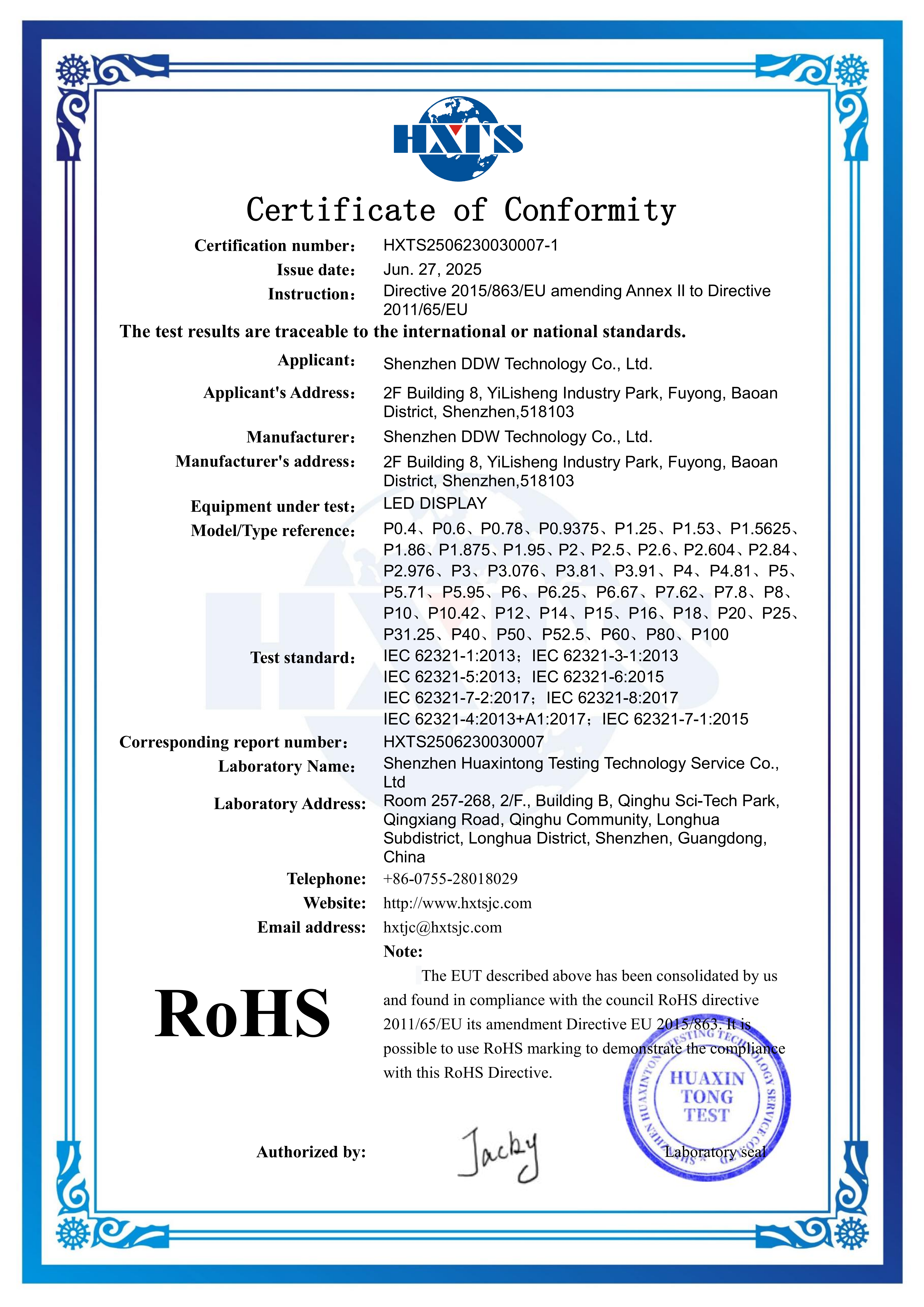
The EU RoHS 2.0 record is the broadest of DDW’s product documents, with a scope covering the full LED display series across multiple pitch sizes.
Regional requirements: what DDW can document and what buyers must confirm
Europe / EEA
Europe is the market where DDW’s documentation is most complete, because three separate instruments are held for LED display: EMC, electrical safety and substance restriction. The EMC certificate BKC25062531FC addresses emission and immunity through four standards; certificate HXTS2506230030001-1 addresses electrical safety through EN IEC 62368-1:2020+A11:2020 under Directive 2014/35/EU; and certificate HXTS2506230030007-1 addresses RoHS 2.0 through Directive 2011/65/EU as amended by (EU) 2015/863/EU.
What a European buyer should still confirm is not whether documents exist, but whether they close the loop for the specific project. Three questions do most of the work. Does the scope cover the series and pitch you are ordering? Does the pack include a declaration that references the same standard editions as the certificates? And are you, as importer, satisfied that the technical file behind the certificates is available on request? The third question matters because a certificate number on a quotation and a maintained technical file are different things, and the second is what a market surveillance conversation actually tests.
North America: United States and Canada
The United States track is documented through a Supplier’s Declaration of Conformity, BKC25062532FC-R1, issued 1 July 2025 against FCC Part 15 Subpart B and ANSI C63.4:2014 for scope “LED display”, valid to 1 July 2030. Because it is a supplier’s declaration rather than a third-party grant, the supporting test evidence behind it carries more weight than usual — ask for the test report that the declaration is based on, not only the declaration itself.
Canada is the clearest illustration of scope discipline in the whole pack. The CSA field evaluation 4937974-80039764-01 is real, current and issued by CSA Group Testing & Certification Inc., but it was issued for touch screen kiosks, model DDW-AD4301TK, under DQD 502.32. For a Canadian LED video wall, entrance display or rental installation, the honest position is that this field evaluation is evidence of a tested kiosk product and of the manufacturer’s ability to work through field evaluation, not evidence that the video wall is covered. A Canadian buyer should ask, in writing, which document applies to the LED display model being purchased and whether an additional evaluation is needed for that configuration.
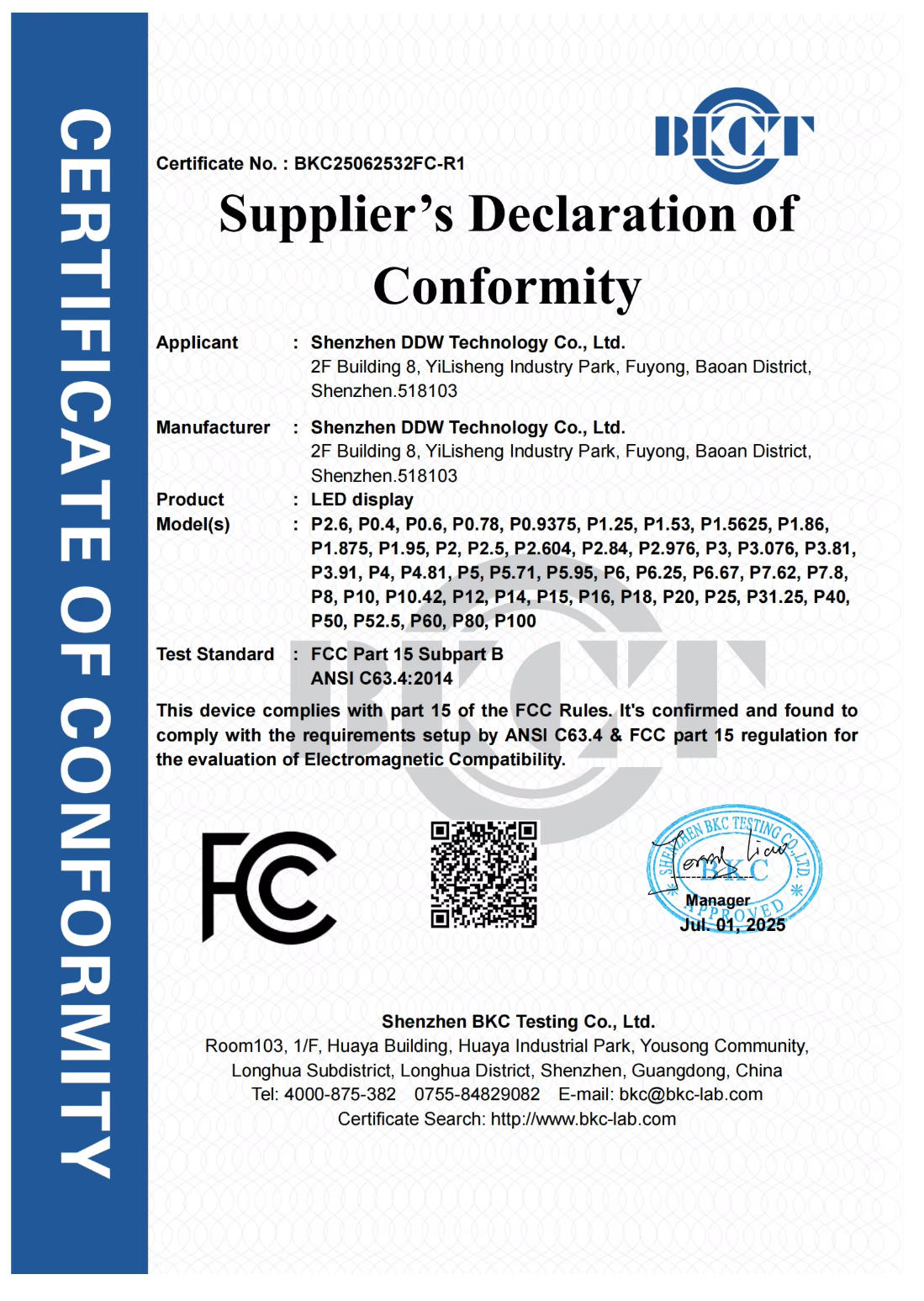
The US record is a supplier’s declaration issued against FCC Part 15 Subpart B, tested to ANSI C63.4:2014 — the underlying test report is the document worth requesting alongside it.
South Korea and the separate radio track
South Korea is worth understanding even for buyers who are not shipping there, because DDW’s Korean record shows a compliance track that many LED display quotations ignore. The KC R-R entry is a Radio Equipment Registration, issued by the National Radio Research Agency under Clause 3, Article 58-2 of the Radio Waves Act, for kiosk advertising monitors GTM-LDB43 and GTM-LDB32. It is a radio registration, not an EMC or safety certificate, and it sits alongside those documents rather than replacing them.
The practical lesson transfers to any all-in-one display. A unit with an embedded Android system, wireless screen sharing and integrated audio contains a transmitting module, and radio-related registration is a distinct question from EMC and safety. The Korean record does not cover the KAIO all-in-one series, and this guide does not claim that it does. It shows that the question exists and that it should be asked early for any market where wireless products are separately registered.
Middle East, Latin America, Africa and other Asia-Pacific markets
The compliance records used for this guide do not contain a named conformity scheme for the Middle East, Latin America, Africa or the rest of Asia-Pacific. That absence is stated here plainly because it changes what a buyer should do: instead of assuming a document exists, agree the document list before the order is placed.
Five questions structure that conversation. Which approvals attach to the importer of record and which must come from the manufacturer? Does the destination require a registration held locally rather than a manufacturer’s certificate? Are documents required in a specific language or with legalisation? Is the approval granted per model, per family or per shipment? And if a national scheme exists, which testing laboratory is recognised for it? Answers to those five questions define the compliance deliverable for the project, and they define it before production rather than after shipment.
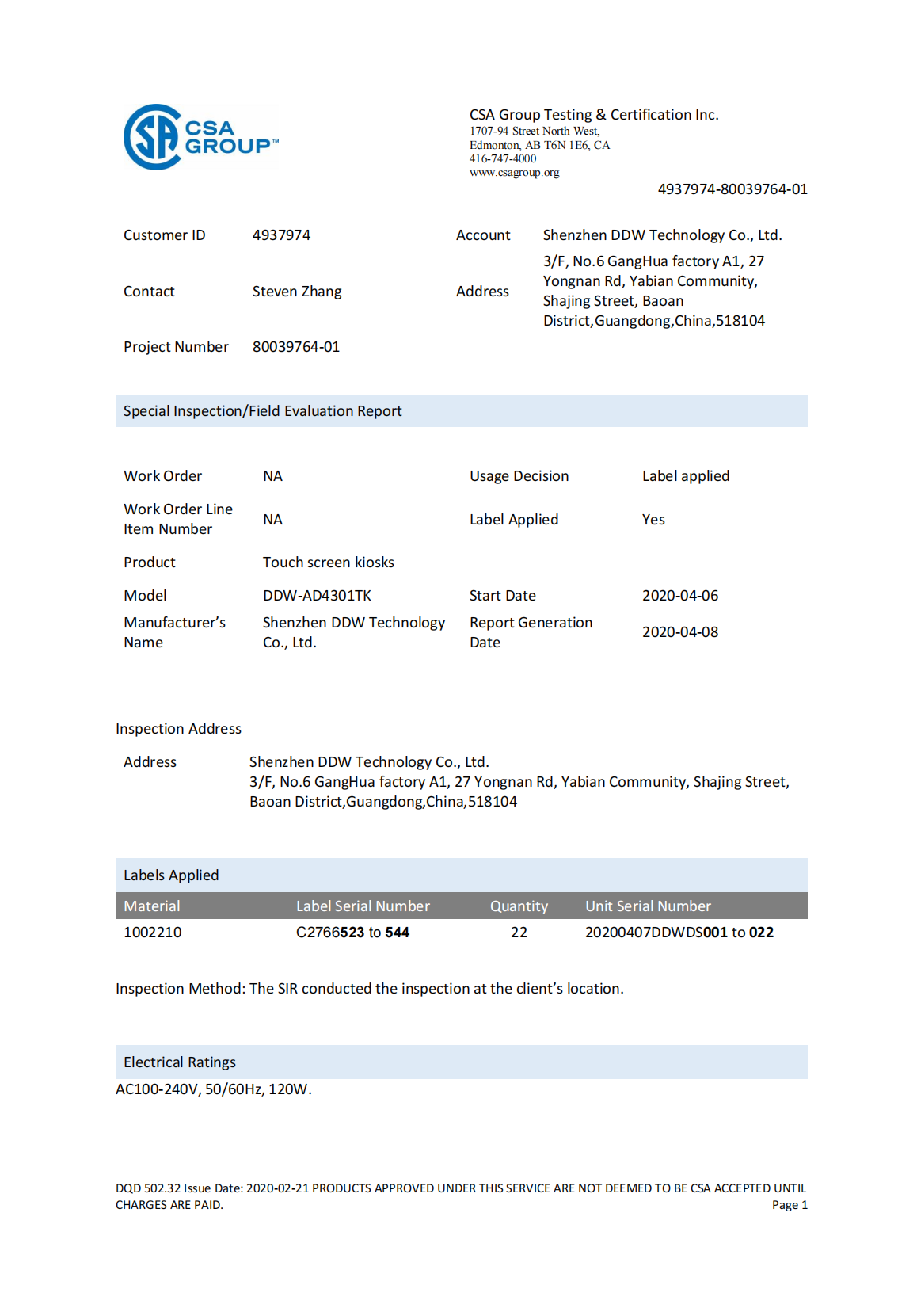
The CSA field evaluation is genuine and current, but its scope names one touch screen kiosk model — a reminder to read the scope line before treating a certificate as a range approval.
Step-by-step: verifying compliance before an LED display order
The sequence below turns the folder of documents into a decision. It works for a single rental cabinet order and for a multi-screen fixed installation.
- Freeze the configuration. Record model, series, pixel pitch, cabinet size, brightness version, indoor or outdoor rating, control system and any customisation. Compliance is confirmed against a configuration, not against a brand.
- List the destination requirements with your importer. Ask the importer of record which documents the shipment and the installation must carry. Where no scheme is known in advance, agree in writing which party supplies which document.
- Request the document pack for that configuration. Ask for certificates, declarations, registrations and test reports separately rather than as a single PDF bundle, so each item can be checked on its own.
- Read each scope line. Confirm whether it names the series, a model, or a different product family. Flag anything narrower than the order.
- Check standard editions, issuers and dates. Record the standard reference with its amendments, the issuing body, the issue date and the expiry date. Note which items expire before your commissioning date.
- Cross-check the declaration against the test report. Where a supplier’s declaration is used, ask for the test report behind it and confirm both reference the same standards and the same product.
- Attach inspection records to the shipment. Ask for the aging test, brightness and colour calibration, waterproof test and power safety records for the batch, so the delivered units can be connected to the type-level documents.
Use cases: which documents matter for each display type
The compliance question changes with the product. The same certificate pack supports a different conversation in each of the five categories below.
Indoor fine-pitch COB LED display
For a fine-pitch COB installation such as the KCOB Series, the compliance focus sits with the power path and the material content. The KCOB Series offers pixel pitches of P0.9375, P1.25 and P1.5625 in a 600 × 337.5 × 29.3 mm die-cast aluminium cabinet weighing 3.4 kg, with 600 cd/m² brightness, 3840 Hz refresh rate, 16-bit grey level and 15000:1 contrast, full front maintenance and an input voltage of 100–240 VAC ±10%. The wide input range is the fact that matters when the same model is specified for projects in regions with different nominal supply voltages: the rated range should be checked against the destination supply, and the electrical safety certificate should reference the same power configuration.
Because these screens sit in conference rooms, control rooms and showrooms, buyers typically need the EU safety and EMC documents plus RoHS, and they need the front-maintenance design documented, since service access is often a building constraint rather than a product preference.
Rental LED screen and stage LED display
Rental products move. The D Series uses a 500 × 500 mm die-cast aluminium cabinet with pixel pitches from P1.56 to P3.91, refresh rate up to 7680 Hz, viewing angles of 160° horizontal and 140° vertical, front and rear maintenance, and an outdoor version rated IP65 with brightness up to 5000 nits. The AFLEX Series adds concave and convex curved splicing for stage builds.
For rental buyers, three compliance questions come first. Does the document pack cover the indoor version, the outdoor version, or both? Are the waterproof test records available for the outdoor cabinets, given that repeated transport stresses seals and connectors? And for touring productions that cross borders, which documents travel with the equipment and which stay with the importer? A rental screen that is compliant at home can still create a paperwork problem on an international tour, and that problem is solved before departure, not at customs.
Outdoor fixed LED display
Outdoor fixed installations concentrate the risk in weather protection and continuous operation. The FA Series is offered in P4, P5, P6.67, P8 and P10 with a customised cabinet design in aluminium, brightness up to 10,000 nits, IP65 protection and front or rear maintenance; the FC Series covers comparable fixed outdoor work and appears in projects from a 9 m² commercial installation in Norway to a 48 m² curved display in Iran and a 34.1 m² building façade screen in Japan.
For these projects the certificate pack answers only part of the question. Buyers should pair the EU or US documents with the waterproof test and power safety inspection records, and should confirm that the IP65 claim is being made for the cabinet configuration actually ordered. High-brightness operation also makes heat management a documentation item: the aluminium cabinet and heat dissipation design should be described in the technical file that accompanies the compliance pack.
Transparent LED display
Transparent LED screens are usually installed into glazing, atriums and façades, which brings structural and access questions alongside the electrical ones. DDW’s TI Series appears in a 4 × 17 m, 68 m² indoor transparent installation in a Philippine shopping mall at P3.91–7.81, where the screen had to deliver advertising visibility without closing off the interior.
For a transparent project, ask for the electrical safety and EMC documents for the model, plus the installation documentation that describes mounting, cabling routes and service access. Because the display is often visible from both sides and installed in a public area, the maintenance method and the structural interface should be documented at the same time as the certificates, so that the building’s own approvals process is not held up by a missing drawing.
All-in-one LED display
An all-in-one unit is the category where compliance questions multiply fastest. The KAIO Series is offered at 108, 135 and 162 inches with 1920 × 1080 resolution, pixel pitches of P1.25, P1.5625 and P1.875, 600 cd/m² brightness, 3840 Hz refresh rate, 16-bit colour depth, 3000:1 contrast, front maintenance, LED packaging options of SMD, COB or MIP, an Android 12.0 system with 16 GB RAM and 256 GB storage, 2 × 18 W integrated speakers and a 29.5 mm body.
An embedded operating system, wireless screen sharing and integrated audio mean the unit is a computing and transmitting device as well as a display. Buyers should therefore ask separately about electrical safety, EMC, radio or wireless registration where the destination regulates it, and software-related requirements such as data handling in the meeting room. The Korean radio registration in DDW’s records shows why this matters: radio registration is its own track, with its own authority and its own scope.
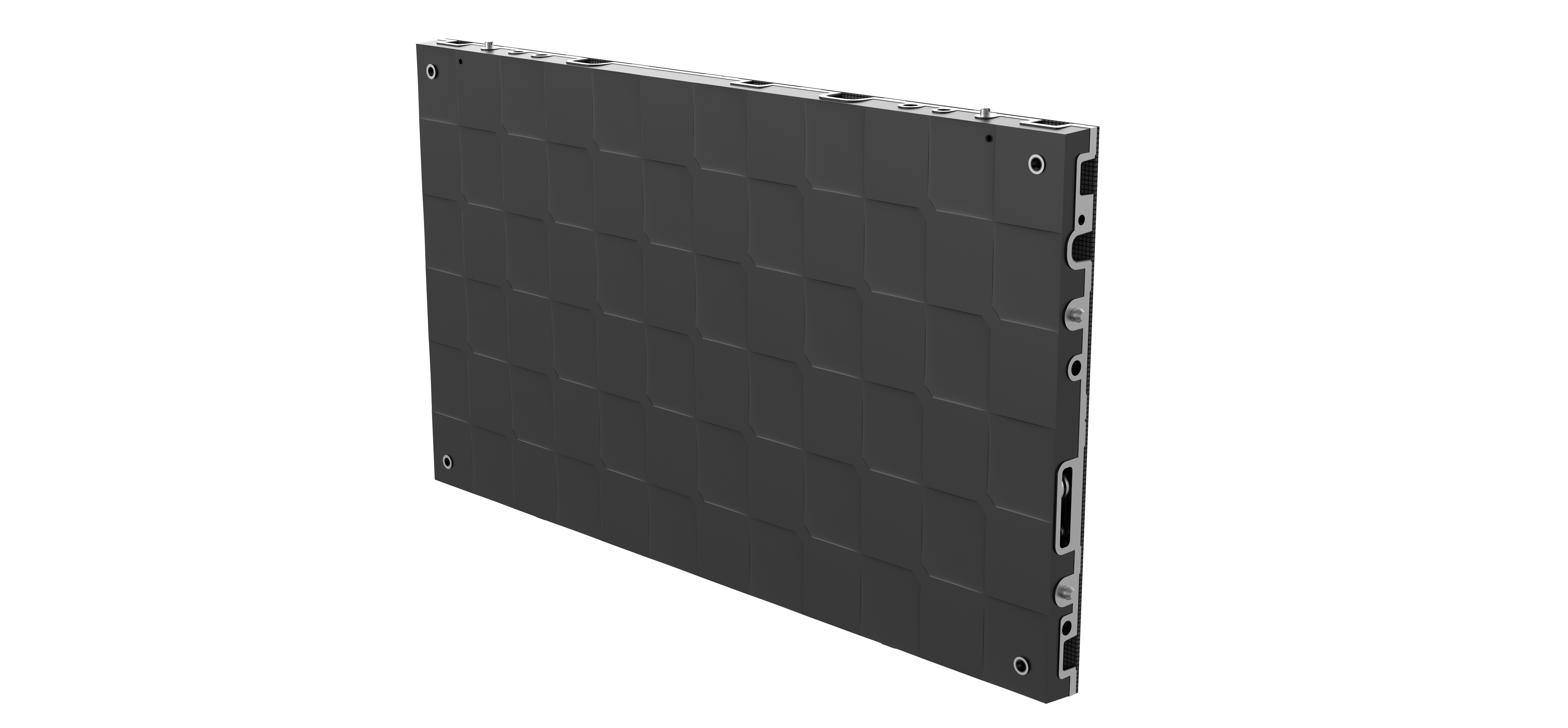
Indoor fine-pitch COB cabinets such as the KCOB Series combine a 100–240 VAC ±10% input range with front maintenance — both need to appear in the technical file that accompanies the compliance pack.
Comparison: documents by market and by display type
The table below summarises the records used in this guide and, more importantly, what each one does not establish. It is a reading aid for the document pack, not a statement of legal obligation in any market.
| Market | Document held | What the record covers | What it does not establish |
|---|---|---|---|
| EU / EEA | CE-EMC certificate BKC25062531FC, issued 1 July 2025 | LED display emission and immunity against EN 55032, EN 55035, EN IEC 61000-3-2 and EN 61000-3-3 | Electrical safety on its own; models outside the stated scope |
| EU / EEA | CE certificate HXTS2506230030001-1, issued 27 June 2025 | LED display safety against EN IEC 62368-1:2020+A11:2020 under Directive 2014/35/EU | EMC, radio or substance restriction |
| EU / EEA | EU RoHS 2.0 certificate HXTS2506230030007-1, issued 27 June 2025 | Full LED display series across multiple pitch sizes, Directive 2011/65/EU as amended by (EU) 2015/863/EU | Performance, reliability or fire behaviour |
| United States | FCC Supplier’s Declaration BKC25062532FC-R1, issued 1 July 2025 | LED display against FCC Part 15 Subpart B, tested to ANSI C63.4:2014 | Electrical safety; a third-party grant |
| Canada | CSA field evaluation 4937974-80039764-01, issued 8 April 2020 | Touch screen kiosks, model DDW-AD4301TK, against DQD 502.32 | Coverage of LED video wall, rental or outdoor series |
| South Korea | KC R-R registration R-R-Gtm-GTM-LDB43 / LDB32, issued 29 November 2019 | Kiosk advertising monitors GTM-LDB43 and GTM-LDB32 as radio equipment | EMC, safety or LED video wall coverage |
| Other markets | No named scheme in the records used for this guide | Not applicable | Requirements must be agreed per project with the importer |
A second table turns the same logic toward the product decision. It shows the first documentation question to settle for each display type, which is usually the question that determines whether the project timetable holds.
| Display type | DDW series example | Documentation question to settle first |
|---|---|---|
| Indoor fine-pitch COB | KCOB Series, P0.9375–P1.5625 | Safety certificate for the ordered power configuration and the 100–240 VAC ±10% input range |
| Rental and stage | D Series, AFLEX Series | Whether the indoor and IP65 outdoor versions are both inside the document scope |
| Outdoor fixed | FA Series, FC Series | Waterproof and power safety inspection records for the shipped batch |
| Transparent | TI Series, TAD Series | Installation and service documentation alongside the electrical documents |
| All-in-one | KAIO Series, 108–162 inch | Separate treatment of wireless and radio registration where the destination requires it |
FAQ
How do I verify that a rental LED screen manufacturer is genuinely CE and RoHS compliant?
Ask for the specific documents rather than the claim, then check four things on each one. First, the scope line: it should name LED display or the exact series you are ordering. Second, the standard references with their amendments, for example EN 55032:2015+A11:2020+A1:2020 for EMC, EN IEC 62368-1:2020+A11:2020 for safety and the IEC 62321 series for RoHS. Third, the issuing body and the issue date. Fourth, the expiry date. DDW’s records for LED display include CE-EMC certificate BKC25062531FC issued 1 July 2025 and valid to 1 July 2030, safety certificate HXTS2506230030001-1 issued 27 June 2025 and valid to 27 June 2030, and RoHS 2.0 certificate HXTS2506230030007-1 issued 27 June 2025 with a scope covering the full series across multiple pitch sizes. Confirm that the rental model in your quotation falls inside those scopes, and ask for the test report that supports each document.
Does one certificate cover every LED display model a manufacturer sells?
No. Scope is written on the document and it is often narrower than the product catalogue. In DDW’s pack, the CE and FCC records name “LED display” as their scope, while the CSA field evaluation names touch screen kiosks, model DDW-AD4301TK, and the Korean KC R-R registration names kiosk advertising monitors GTM-LDB43 and GTM-LDB32. Those two documents are valid for what they name and do not extend to rental, outdoor fixed or fine-pitch video wall series. A buyer should always match the document to the model, the configuration and the market, and should treat any broader reading as an assumption rather than a fact.
Can a manufacturer supply market-specific documentation for a customised LED display?
Customisation changes what has been tested, so it has to be discussed before production rather than after. DDW’s customisation scope covers pixel pitch, LED module size, cabinet size, cabinet structure, display shape, brightness level, refresh rate, installation method, control system, logo branding, colour calibration, power solution and mechanical design. Any of these can move a unit away from the configuration named on an existing certificate. The practical approach is to state the destination market and the customisation together at the quotation stage, confirm which existing documents still apply, and agree in writing whether additional testing or a revised declaration is required for the changed configuration. With a monthly capacity of 8000 m², capacity is rarely the constraint; documentation agreed late is.
How is compliance work priced, and what drives the cost?
There is no published price band for compliance work, because the cost is driven by the requirement set rather than by the display. Four factors dominate: which documents the destination actually requires, whether the exact model or configuration has already been tested, whether a customised configuration forces additional testing, and whether a recognised laboratory must be used for the destination in question. Because DDW handles orders on a project basis with a minimum of 1 unit or project-based order, the document scope is agreed per project alongside the technical specification. That is also why a quotation that lists only “CE and FCC” should prompt a follow-up question about which documents, for which model, in which market.
Can I review documents and a sample before committing to a full order?
Yes, and the sequence matters. Start with the document pack for the exact model: certificates, declarations and the test reports behind them, plus the ISO 9001 certificate 12824Q21369R0S covering production of LED display, LCD video wall and digital signage for export, valid to 9 October 2027. Then review a sample or pilot unit alongside the inspection records that accompany shipment — aging test, module testing, brightness and colour calibration, waterproof test, power safety test and performance inspection. Lead time for standard products is 15–30 days; customised projects depend on product design, quantity and technical requirements, so the documentation timeline should be agreed at the same time as the production schedule. DDW DISPLAY has delivered LED display projects to more than 120 countries and regions, with exports accounting for over 95% of output, which is why market-specific documentation is treated as part of the project scope rather than an afterthought.
Conclusion
Compliance for an LED display is a document-matching exercise, not a logo check. The market decides which documents are relevant, the document type decides how much weight it carries, the scope decides whether your model is inside it, and the dates decide whether it is still current. DDW DISPLAY’s records are strongest in Europe, where EMC, electrical safety and RoHS 2.0 documents are held for LED display with validity to 2030, and in the United States, where a supplier’s declaration against FCC Part 15 Subpart B is held to the same date. Canada and South Korea are covered by genuine documents whose scopes name specific kiosk models, and those records should be read as exactly that.
The decision rule for a buyer is simple enough to apply to any supplier. Ask which document covers the exact model, in the exact market, against which standard edition, and until when. Then ask what is not covered and who will handle it. A supplier who can answer all five points in writing — including the gaps — is easier to work with than one who answers only the first.
For buyers who want to compare the product range against these documentation categories, the full series specifications for indoor fine-pitch COB, rental, outdoor fixed, transparent, all-in-one and stadium LED displays are collected in the DDW LED Display catalog 2026, which can be downloaded and used alongside the compliance pack when preparing a project specification.
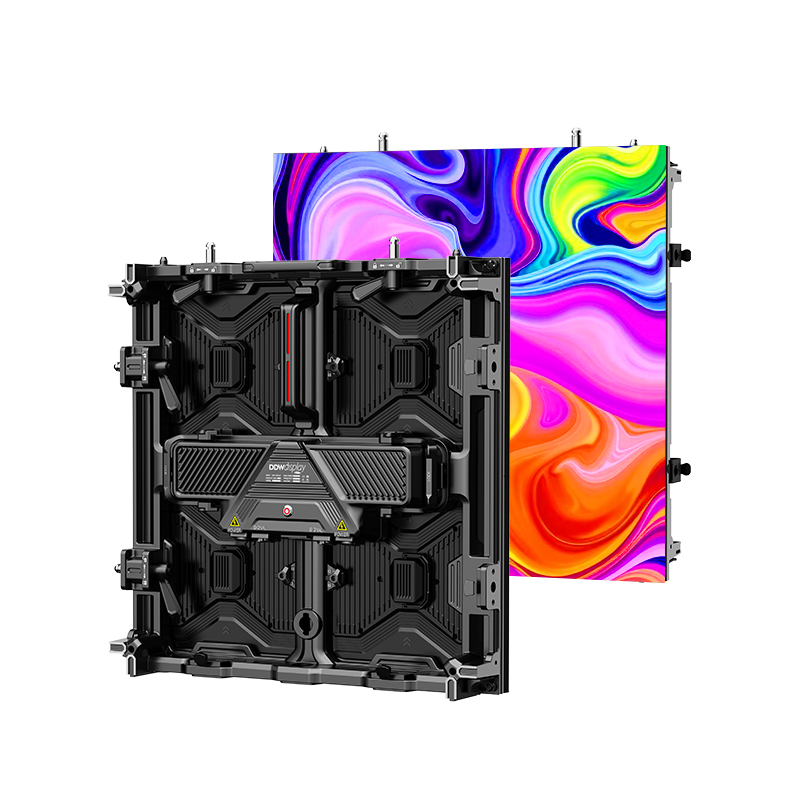
Rental series such as the D Series are covered by DDW’s LED display documents; confirm at quotation which document applies to the indoor or IP65 outdoor version you are ordering.
Full product and compliance information is available from DDW DISPLAY.
Have Questions or Need More Details?
Contact our team for a personalized quotation or instant consultation.
Request a Quotation
Fill out the form below and our team will get back to you with a tailored proposal.
WhatsApp Direct Chat
Prefer to chat in real-time? Message us on WhatsApp for instant assistance & quick answers.
- Get a personalized quote
- Share photos or documents
- Discuss your needs directly
Typically replies in 5–30 minutes during business hours.