
Naked-Eye 3D LED Display Pixel Pitch Guide: P1.25 to P6 Explained
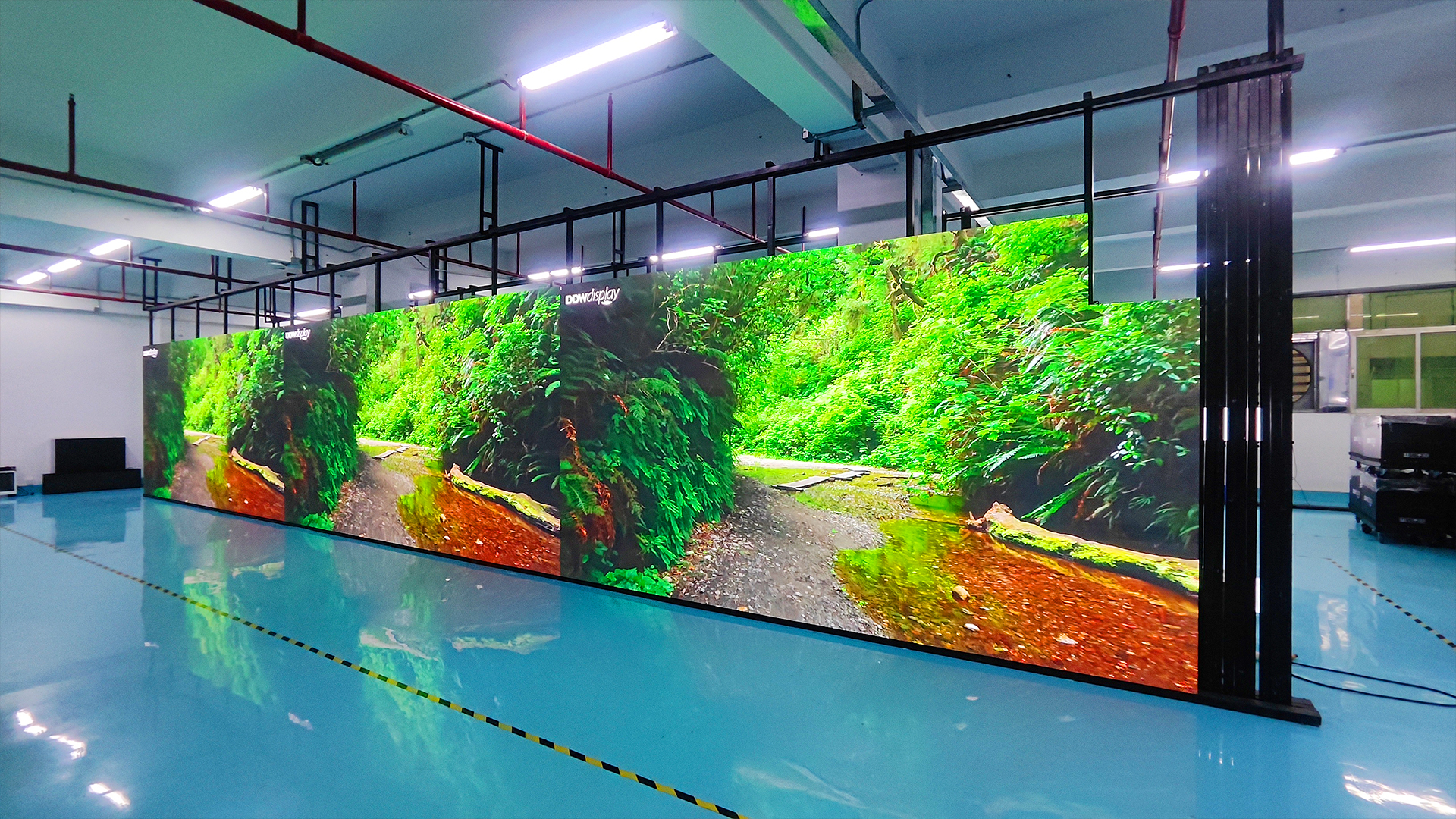
Pixel pitch is the centre-to-centre distance between two adjacent LED pixels. On a naked-eye 3D LED display it controls two things at the same time: how much perceived depth the content can create, and how close a viewer can stand before the illusion breaks into visible dots. For indoor installations, DDW Display's 3DH Series is configured at P1.25, P1.53, P1.86, P2, P2.5 and P3, with customised options, because a 3D audience stands far closer to the screen than the audience for a roadside billboard.
This guide is written for buyers specifying a naked-eye 3D LED screen for shopping malls, retail stores, brand showrooms, museums, exhibition halls, corporate spaces, entertainment venues or digital experience centres — the indoor fixed applications the 3DH Series is designed for. It explains how each pixel pitch behaves, how to match pitch to viewing distance, and why cabinet structure, flatness and splicing accuracy decide whether the third dimension actually appears.
Short answer: which pixel pitch does a naked-eye 3D LED display need?
- P1.25 and P1.53 — the fine-pitch end of the 3DH Series range. Choose these where viewers stand close to the screen: brand showrooms, corporate spaces, premium retail, museum exhibits and experience-centre entrances.
- P1.86 and P2 — the middle of the range, for indoor 3D walls with mixed traffic, where some viewers come close and most stay a few steps back, such as showroom walls and exhibition stands.
- P2.5 and P3 — the widest pitches in the 3DH indoor range, suited to installations viewed from a distance by a standing or walking audience, such as mall atriums, exhibition halls and entertainment venues.
The selection rule is simple: choose the largest pixel pitch that still produces a visually continuous image from the closest realistic viewing position. A pitch finer than the audience can actually perceive adds pixel density, module count and project cost without adding perceived depth.
Two failure modes matter more than the pitch number itself. First, an image that looks smooth from across a hall can look coarse from the front row. Second, a screen with perfectly matched pixels but imperfect cabinet flatness shows visible lines at the cabinet joints — and joints sit exactly where a 3D composition places foreground objects.
Why pixel pitch decides whether the 3D effect works at all
Naked-eye 3D content works by supplying the left and right eye with slightly different image information, so the brain reconstructs depth without glasses. That reconstruction depends on fine detail: object edges, shadows, foreground-to-background separation and highlight contours. All of these are high-spatial-frequency features, which means a 3D composition demands more pixel density than a flat video wall of the same physical size showing the same footage.
When pixel density is too low for the viewing distance, the eye starts to resolve individual LEDs and the dark gaps between them. At that point the brain re-reads the surface as a grid of dots rather than a window into depth, and the 3D cue collapses. The threshold is not a fixed number: it moves with viewing distance, screen size and content, which is why the same P3 wall can look convincing in a mall atrium and unconvincing in a narrow showroom.
Screen surface precision is the second factor, and buyers often underestimate it. A naked-eye 3D wall is assembled from many LED cabinets. If those cabinets are not coplanar, or if module alignment at the joints is imperfect, the eye reads a visible seam — and a seam immediately signals 'flat tiled surface'. On a corner or right-angle installation, where two flat planes meet, edge squareness and cabinet flatness determine whether the joint disappears or becomes the most visible line on the screen.
A third factor is refresh performance. If the 3D content is filmed, streamed or broadcast, the screen must be camera-friendly. Selected DDW professional LED display configurations support refresh rates up to 7680Hz, while standard LED display configurations are commonly specified at approximately 1920–3840Hz. The 3DH Series is listed with refresh rates up to 3840Hz / 7680Hz depending on configuration.
Industry background: 3D LED walls are becoming permanent indoor fixtures
The wider LED display market keeps expanding. Mordor Intelligence projects the global LED display market at USD 20.73 billion in 2026, growing to USD 26.98 billion by 2031. At the same time, Grand View Research expects the micro-LED segment to grow at a CAGR of 77.4% between 2024 and 2030, reaching a projected USD 25.65 billion — a signal that investment continues to move toward finer pitch and higher-density display technologies.
For 3D installations, the commercial consequence of that growth is a change in buying behaviour. Three or four years ago, naked-eye 3D was mostly a temporary attraction. Today it is increasingly specified as a permanent indoor fixture in retail, showrooms, museums, exhibition halls and experience centres — a screen that is installed once and expected to run for years, often behind a fixed wall structure with limited access.
That shift changes how pixel pitch should be evaluated. The decision is no longer only about image quality on delivery day; it is about whether the same module, the same finish and the same alignment precision can be reproduced when the second wall is ordered, or when a module has to be replaced after several years of daily operation. This is why long-term supply capability belongs in the same conversation as the specification sheet.
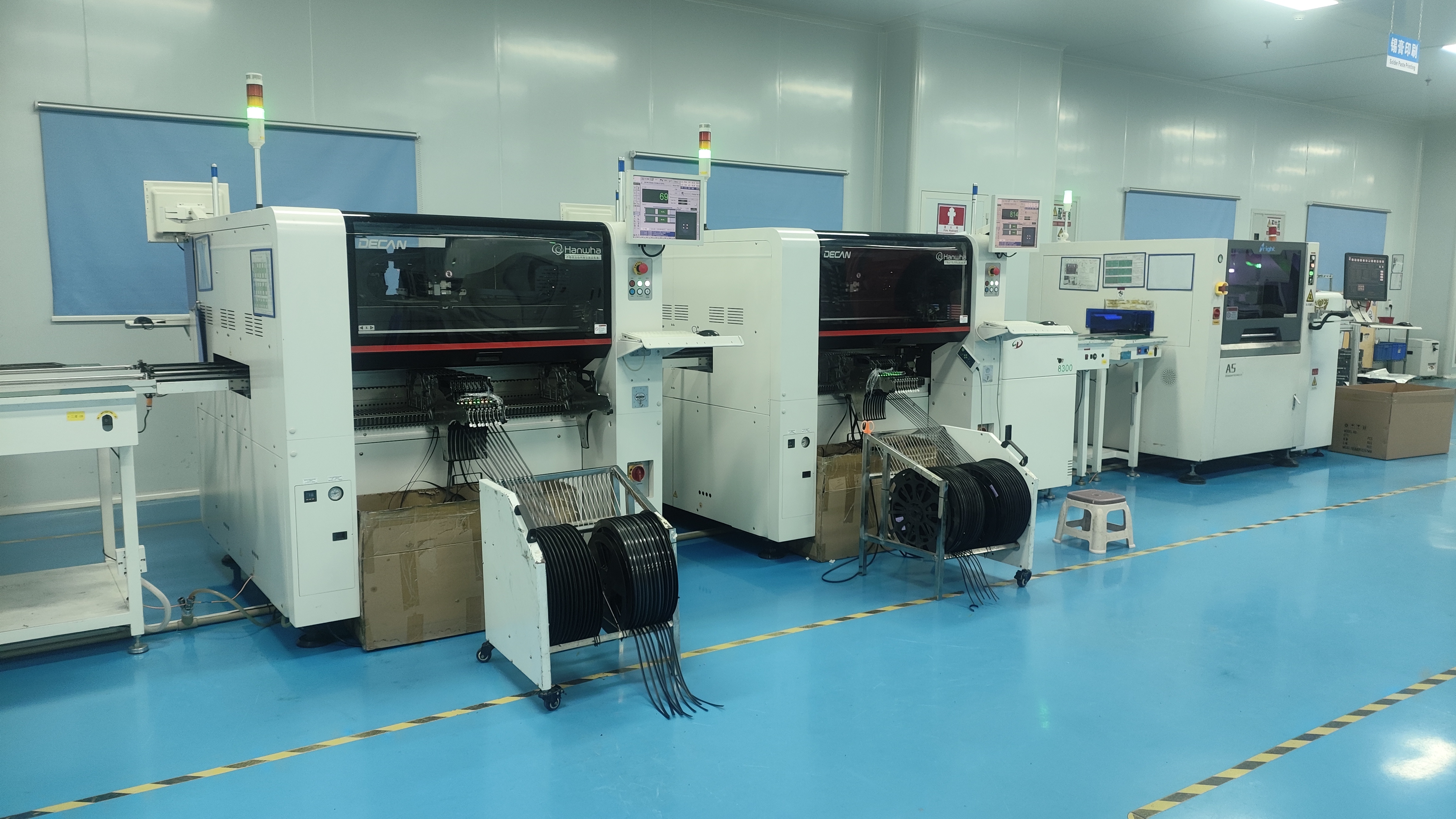
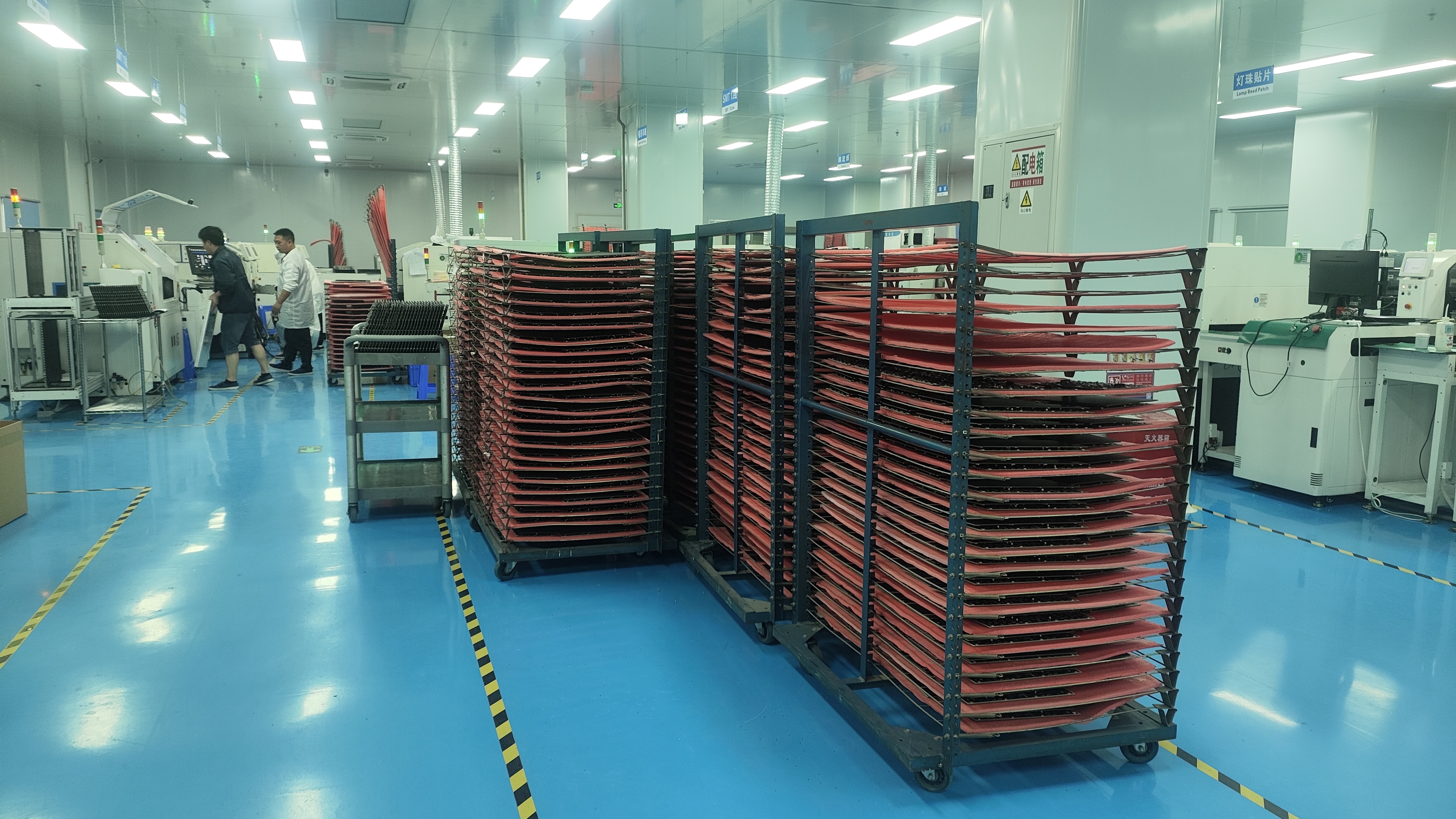
DDW DISPLAY (Shenzhen DDW Technology Co.,Ltd.) is an LED display manufacturer founded in 2012, operating a 10,000㎡ factory with approximately 100 employees and an annual production capacity of about 800,000 units. The company reports an export ratio above 95% and has delivered LED display projects to more than 120 countries and regions, which is relevant to buyers who need replacements and repeat orders years after the original installation.
How the DDW 3DH Series is built for naked-eye 3D
Pixel pitch options: P1.25, P1.53, P1.86, P2, P2.5 and P3
The 3DH Series is offered across six pixel pitch options — P1.25, P1.53, P1.86, P2, P2.5 and P3 — with customised options available. It is specified as an indoor fixed LED display with a naked-eye 3D display type, which means the cabinet platform is designed to be built into a wall, a feature structure or a creative installation rather than transported between venues.
Die-casting aluminium cabinet: structural precision and flatness
The 3DH Series uses a die-casting aluminium cabinet. Compared with traditional welded iron cabinets, die-cast aluminium cabinets provide lighter weight, higher structural precision, better cabinet flatness, more efficient heat dissipation and easier handling. For a 3D wall, the precision and flatness points matter most: a cabinet that holds its geometry precisely makes it easier to keep the whole screen coplanar, and a coplanar surface is the precondition for a convincing depth illusion.
Seamless splicing and corner structures
Naked-eye 3D content is frequently installed where a straight wall is not available — around a column, across a corridor corner, or as an L-shaped feature. The 3DH Series supports indoor wall mount and creative structure installation. On corner builds, each flat cabinet contributes one plane, and the quality of the corner depends on cabinet dimensional accuracy and consistent module alignment along the cabinet edge. Tighter flatness tolerance between cabinets reduces the visual discontinuity where the two planes meet.
Refresh rate, grey scale and viewing angle
3D content is bright, high-contrast and movement-heavy, so banding, flicker and off-axis colour shift are more noticeable than on a standard signage wall. The 3DH Series is specified with high grey scale performance, a wide viewing angle and refresh rates up to 3840Hz / 7680Hz, which supports both direct viewing and camera-facing use such as live streaming or recording.
Front maintenance and installation
The series uses a front maintenance design. For indoor 3D walls embedded in retail interiors, museum walls or corporate lobbies, front access is usually the practical service route, because the rear of the structure is often blocked or inaccessible. Installation is listed as indoor wall mount or creative structure installation.
Step-by-step: selecting pixel pitch for a naked-eye 3D LED installation
Step 1 — Measure the closest realistic viewing position, not the average one
Walk the floor plan and find where a person can physically stand. A mall atrium allows a long standoff distance; a showroom entrance, a retail window or a museum exhibit does not. The closest realistic position sets the minimum pixel pitch requirement for the whole screen, because a viewer who can approach the wall will judge the 3D effect from that point.
Step 2 — Fix screen size and the resolution you actually need
Pixel pitch and screen size together determine total resolution. Before comparing pitches, define the wall dimensions and the content format you intend to run. A tall portrait 3D feature and a wide atrium wall can carry the same pitch and still deliver very different pixel counts, which affects both content production and perceived depth.
Step 3 — Match pitch to content type
Purpose-built 3D creative — animated product reveals, character content, depth-staged advertising — benefits most from fine pitch, because the depth cues live in the detail. Standard video content played on a 3D wall is more forgiving. If the screen will mix both, specify for the 3D content and let the video content benefit from the headroom.
Step 4 — Evaluate the geometry: flat wall, corner, or creative structure
Corner and multi-plane installations are where cabinet quality becomes visible. Confirm how the cabinets are joined at the corner, how the corners of each cabinet are finished, and whether the specification gives a flatness tolerance. A screen with excellent pixels and poor alignment will be judged as a tiled surface from the first second of viewing.
Step 5 — Confirm the supporting specifications
Check the cabinet material, refresh rate, grey scale, viewing angle, brightness suited to the indoor lighting level, and maintenance access. For indoor 3D installations, project-specific configuration matters: DDW configures indoor brightness levels of approximately 600–1,500 nits and refresh rates of ≥3840Hz or ≥7680Hz, rather than applying one standard outdoor-oriented configuration to every project.
Step 6 — Validate before production and plan for the second order
Before committing a full wall, confirm inspection and acceptance scope, and ask how the manufacturer will reproduce the same module and finish for later phases. DDW applies 100% pre-shipment inspection and offers project-specific configurations, and the company accepts project-based orders with a minimum order quantity of one unit — which makes a single-cabinet or single-module validation order possible.
Use cases: matching pixel pitch to the indoor environment
Retail stores and brand showrooms. Visitors approach the product wall, so foreground objects are viewed from close range. Fine pitch configurations such as P1.25, P1.53 and P1.86 keep product edges crisp and preserve the pop-out effect at conversational distance.
Shopping malls and exhibition halls. Viewing distance is longer and the audience is transient. P2, P2.5 and P3 configurations cover large areas economically while remaining convincing from the walkway, and the larger pitch reduces the module count for a given wall size.
Museums, exhibition halls and digital experience centres. These environments combine close-up viewing with controlled indoor lighting, and often use corner or feature structures. Fine to mid-range pitch combined with tight cabinet flatness keeps the illusion intact at the joint.
Corporate spaces and entertainment venues. Lobby and venue walls usually need a camera-friendly screen for streaming, recording or stage use; refresh rate and grey scale performance carry as much weight as pitch in these projects.
Pixel pitch comparison: P1.25 to P6 explained
| Pixel pitch | Relative pixel density | Typical indoor role | What to watch |
|---|---|---|---|
| P1.25 | Highest in the 3DH indoor range | Brand showrooms, corporate spaces, premium retail, museum exhibits viewed up close | Highest module count and cost per square metre; justify it with a short viewing distance |
| P1.53 | Very high | Close-view premium indoor walls where viewers approach but do not press against the screen | Confirm content resolution can actually use the density |
| P1.86 | High | Showroom and exhibition walls with mixed viewing distance | A practical balance point between density and budget |
| P2 | High | Indoor fixed 3D walls listed as a standard 3DH option | Check cabinet flatness and splice quality, which dominate perception at this density |
| P2.5 | Medium | Mall atriums, exhibition halls, entertainment venues | Confirm the closest viewing position; a wide pitch fails first at the front row |
| P3 | Medium | Widest pitch in the 3DH indoor range; large indoor walls viewed from a distance | Best value per square metre when the audience stays back |
| P4–P6.66 | Lower density per square metre | Long-distance, high-brightness viewing | Handled by DDW's outdoor fixed ranges, not by the 3DH indoor platform |
One clarification on the P4–P6 part of the range. The 3DH Series itself is specified as an indoor fixed LED display with pitches from P1.25 to P3, because indoor 3D audiences stand close to the screen. Pitches in the P4–P6 range appear in DDW's outdoor fixed series — the LUXIS Series lists P3.91 to P10, the FC Series lists P2.976 to P10, and the NOVA Series lists P3.9 and P6.66 — where the audience views from a long distance and brightness, not fine pitch, dominates the specification. If a project is described as a P4 or P6 3D screen, it is normally an outdoor or long-distance installation rather than an indoor close-viewing 3D wall.
For a general selection frame: fine-pitch configurations such as P1.25, P1.53 and P1.86 suit close-viewing indoor applications such as showrooms and premium retail spaces; mid-range configurations suit exhibitions, stages and medium-distance viewing; and long-distance or outdoor advertising uses larger pitches selected around screen size and viewing distance. The correct answer is therefore not the smallest available pitch, but the pitch that delivers sufficient image quality at the actual viewing distance.
Cabinet build comparison: die-casting aluminium vs traditional iron cabinet
| Evaluation point | Die-casting aluminium cabinet | Traditional welded iron cabinet |
|---|---|---|
| Weight and handling | Lighter; easier to handle during installation and maintenance | Heavier; more labour required for transport, installation and servicing |
| Structural precision and flatness | Higher structural precision and better cabinet flatness | Lower precision; alignment depends more on site adjustment |
| Heat dissipation | Aluminium has better thermal conductivity than iron, helping transfer heat more efficiently | Lower thermal conductivity |
| Repeated assembly and alignment | Precision structure supports easier alignment and repeated assembly | Heavier and less precise for repeated deployment |
| Initial cost | Generally a higher initial manufacturing cost | Generally a lower initial cost |
| Best fit | Fine-pitch LED walls, commercial installations and projects requiring precise screen alignment or frequent handling | Cost-driven projects where alignment precision and repeated handling are not critical |
For a naked-eye 3D wall, the flatness row is the decisive one. Cabinet material does not by itself determine image quality or power consumption, but it does determine how repeatable the screen surface is — and on a 3D installation, a repeatable flat surface is what allows every cabinet to disappear into one continuous picture.
FAQ: naked-eye 3D LED display pixel pitch and supply
What certifications should be checked before ordering a naked-eye 3D LED display?
Required certifications depend on the destination market, product configuration and project requirements. For international LED display projects, buyers commonly evaluate CE, FCC, RoHS, ETL, EMC and relevant safety requirements: CE and EMC are commonly considered for European-market compliance, FCC relates to electromagnetic compatibility requirements in the United States, and RoHS addresses restrictions on certain hazardous substances. Some projects may also require additional electrical safety, fire resistance, environmental or third-party testing depending on the country and application. Before placing an order, confirm which certifications apply to the specific model and destination market, and request the corresponding certificates or test reports from the manufacturer.
How do I choose the right pixel pitch for a naked-eye 3D LED screen?
Choose according to viewing distance, screen size, required resolution, installation environment, content type and budget. For close-viewing indoor applications such as showrooms, premium retail spaces, conference rooms and control rooms, fine-pitch options such as P1.25, P1.53 and P1.86 are generally more suitable. For stages, exhibitions and medium-distance viewing, mid-range pitches are commonly considered. Longer-distance and outdoor advertising screens can use larger pixel pitches depending on screen size, brightness requirements and viewing distance. A smaller pixel pitch provides higher pixel density and better close-range detail but usually increases project cost, so the best choice is the pitch that provides sufficient image quality for the actual viewing distance and application.
Does a smaller pixel pitch always mean a better 3D display?
No. A smaller pitch raises pixel density and improves close-range detail, but it also raises module count and cost. Project-specific configuration avoids paying for specifications the installation cannot use: an indoor 3D wall typically operates at around 600–1,500 nits, while 5,000–10,000 nits and IP65 protection are specified for many outdoor applications. Budget is better spent on the pitch the audience can perceive, plus cabinet flatness and alignment quality, which affect perceived depth at every viewing distance.
Can I order a single unit or a sample before committing to a full 3D LED wall?
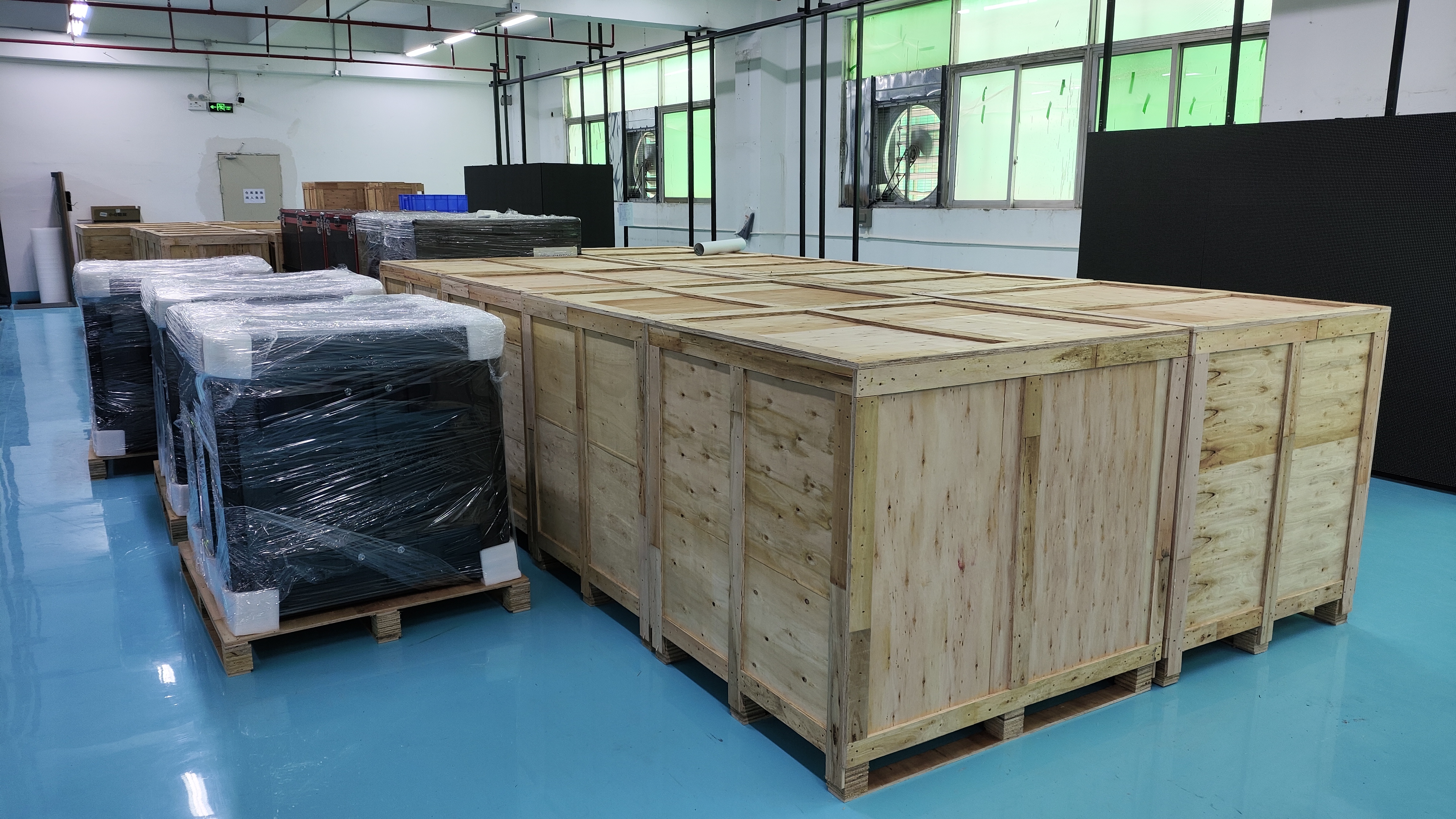
Yes. DDW accepts project-based orders with a minimum order quantity of one unit. Acceptance scope can include pre-shipment inspection, aging test, display performance test, brightness and colour consistency inspection, and customer video inspection or third-party inspection upon request. Buyers who need their own branding can also use DDW's OEM and private label LED display manufacturing capability.
Can DDW support repeat orders and long-term supply for a 3D LED wall programme?
DDW DISPLAY operates a 10,000㎡ factory with approximately 100 employees and an annual production capacity of about 800,000 units, reports an export ratio above 95%, and has delivered LED display projects to more than 120 countries and regions. That production base, combined with OEM and private label capability and a one-unit project-based minimum order quantity, supports both initial validation orders and later repeat phases. To start a validation order or request a quote, contact DDW Display at info@ddw.net or via WhatsApp/WeChat +86 134 1755 8100.
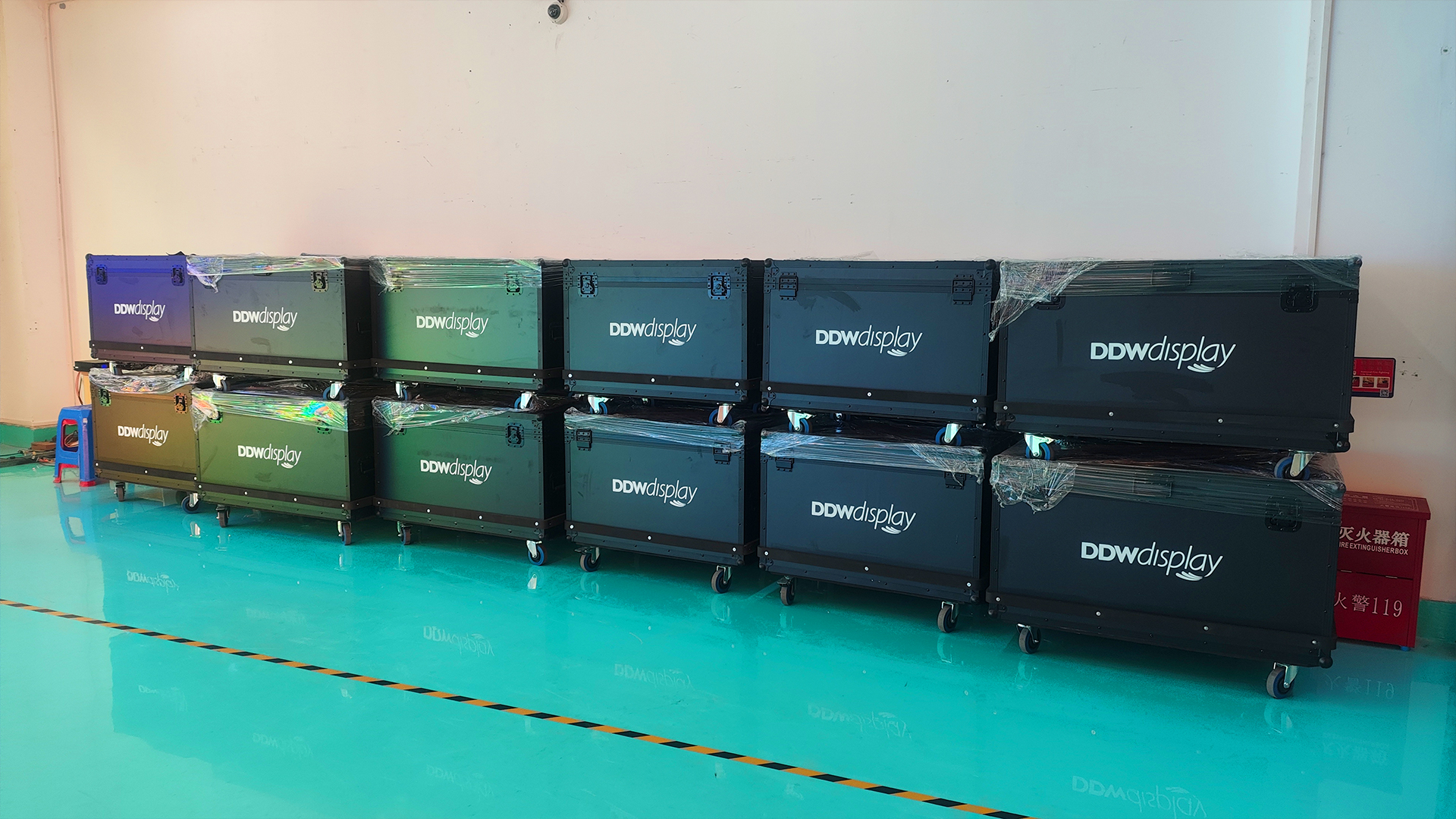
Next step: validate a 3D LED display configuration before you commit
Pixel pitch is the first decision on a naked-eye 3D project, but it is not the only one that determines whether the depth effect survives contact with a real room. Match the pitch to the closest realistic viewing position, then hold the specification to the same standard on cabinet flatness, splicing accuracy and refresh performance.
Because these walls are usually permanent, the specification should be reproducible. Ask how the manufacturer will supply the same module and finish for the second phase, how spare parts are handled, and what inspection evidence accompanies the shipment. DDW DISPLAY's order terms include pre-shipment inspection, aging test, display performance testing, brightness and colour consistency inspection, and third-party inspection on request, with T/T payment terms of 30% deposit in advance and 70% balance before shipment, and delivery under EXW Shenzhen, FOB Shenzhen, CIF or DDP depending on destination.
Request a 3DH Series configuration and sample
DDW Display can configure the 3DH Series at P1.25, P1.53, P1.86, P2, P2.5 or P3 for your indoor 3D application, with project-based orders from one unit and OEM or private label manufacturing available.
Download the full DDW LED Display catalog 2026 (PDF), visit www.ddw.net, or send your wall dimensions and viewing distance to info@ddw.net for a configuration recommendation and quote.
WhatsApp / WeChat / Mobile: +86 134 1755 8100 | Factory: 2F Building 8, YiLisheng Industry Park, Fuyong, Baoan, Shenzhen, 518103
Have Questions or Need More Details?
Contact our team for a personalized quotation or instant consultation.
Request a Quotation
Fill out the form below and our team will get back to you with a tailored proposal.
WhatsApp Direct Chat
Prefer to chat in real-time? Message us on WhatsApp for instant assistance & quick answers.
- Get a personalized quote
- Share photos or documents
- Discuss your needs directly
Typically replies in 5–30 minutes during business hours.