Top 5 Transparent LED Displays for Retail Storefronts: 2026 Ranking
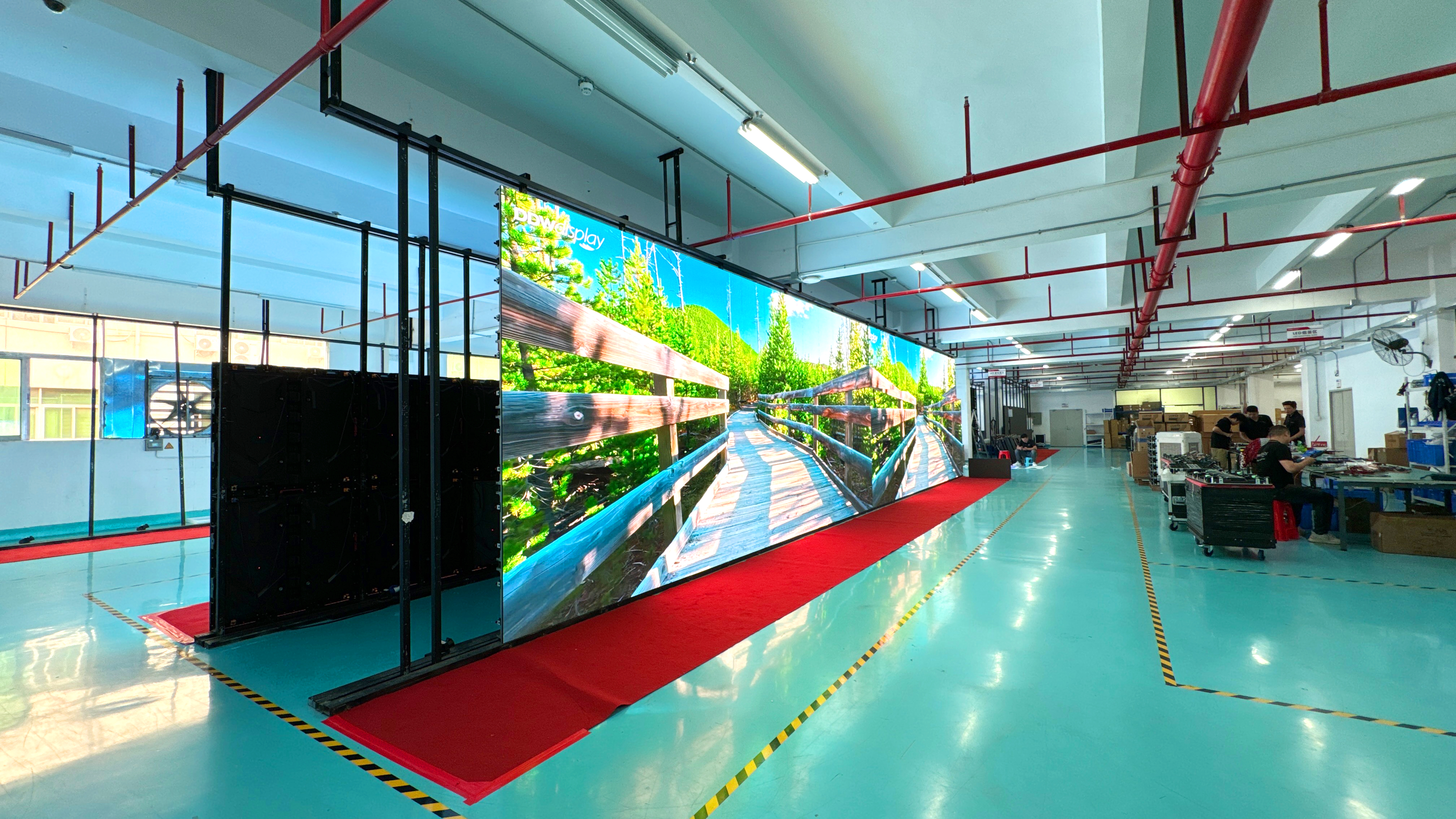
Specifying a transparent LED display for a retail storefront comes down to four variables and one structure: the pixel pitch that matches the distance shoppers actually view from, the brightness that survives the daylight hitting your glass, the transparency that keeps the store interior visible from the street, and a cabinet design that can be fixed to architectural glazing or building structure without heavy steelwork. This 2026 ranking evaluates five transparent and see-through LED display options for shop windows, glass facades and architectural media against those variables, using published product data from DDW Display.
Ranking at a glance: the DDW TAD Series transparent LED display (P3.91 / P7.81 / P10.42) is the default option for street-facing retail glass; the TI Series indoor transparent LED display fits mall windows and showrooms with closer viewing distances; the 3DH Series adds naked-eye 3D impact for flagship brand windows; the DIP Series serves large high-brightness facades where a perforated see-through structure replaces a glass-mounted module; and a project-specific DDW configuration covers non-standard glass geometry, daylight load and maintenance access.
Problem definition: why retail glass is the hardest surface for a digital display
A solid LED video wall and a transparent LED screen solve the same problem in opposite ways. Conventional solid LED displays create a fully blocked visual surface, while transparent LED displays combine digital content with high transparency, allowing natural light and visibility through glass surfaces. For a storefront, that difference is commercial, not cosmetic: the window is both the advertising surface and the product display case, and a screen that blacks out the window changes how the store is perceived from the street.
Four engineering constraints follow from putting a display on glass.
- Structural load. Glazing and mullions are not designed for arbitrary weight. Transparent LED displays use lightweight modular structures that simplify installation on glass surfaces, which is one reason they are preferred over solid cabinets for facade-mounted retail applications.
- Viewing angle. Shoppers approach a window from the side and view it at an oblique angle rather than standing square to it. Wide viewing angle is listed as a special requirement for indoor commercial display projects, alongside fine pitch, seamless splicing, high contrast and front maintenance access.
- Daylight. A window facing the street competes with ambient light. Indoor installations typically operate at brightness levels of around 600–1,500 nits, while outdoor installations commonly require 5,000–10,000 nits. Over-specifying brightness indoors adds cost and heat without improving legibility.
- Transparency versus resolution. Selected transparent LED display solutions provide approximately 60–90% transparency depending on pixel pitch and structure. A denser pixel matrix normally means more LED and PCB material in front of the glass, so transparency and viewing detail have to be balanced deliberately.
One limitation is worth stating up front: a transparent structure alone does not determine energy efficiency. Power consumption depends on brightness, pixel pitch, LED configuration, screen area and operating conditions, so energy claims should always be evaluated against the actual configuration rather than the transparency claim.
Industry background: why transparent LED is a 2026 retail decision
The commercial context for this ranking is straightforward. The global LED display market is projected to reach USD 20.73 billion in 2026 and to grow to USD 26.98 billion by 2031, according to Mordor Intelligence's LED display market forecast. Retail, mall and architectural media installations account for a meaningful share of that growth because glass facades are already present on the buildings where brands want visibility.
Energy performance is part of the buying case. Published technical commentary on transparent LED displays describes energy savings of 30% to 40% compared with traditional LEDs, with transparent screens often complying with ISO 50001 energy management standards (source: Radiant). For retail chains running window displays for long daily operating hours, that operating profile is often more relevant than the headline purchase price.
There is also a trade dimension that importers and brand owners should plan for. In international trade, LED displays are primarily classified under HS Code 852859 — "Monitors other than cathode-ray tube" — according to the UN Statistics Division classification. Confirming the correct code with your customs broker before a multi-store rollout avoids delays on the first shipment.
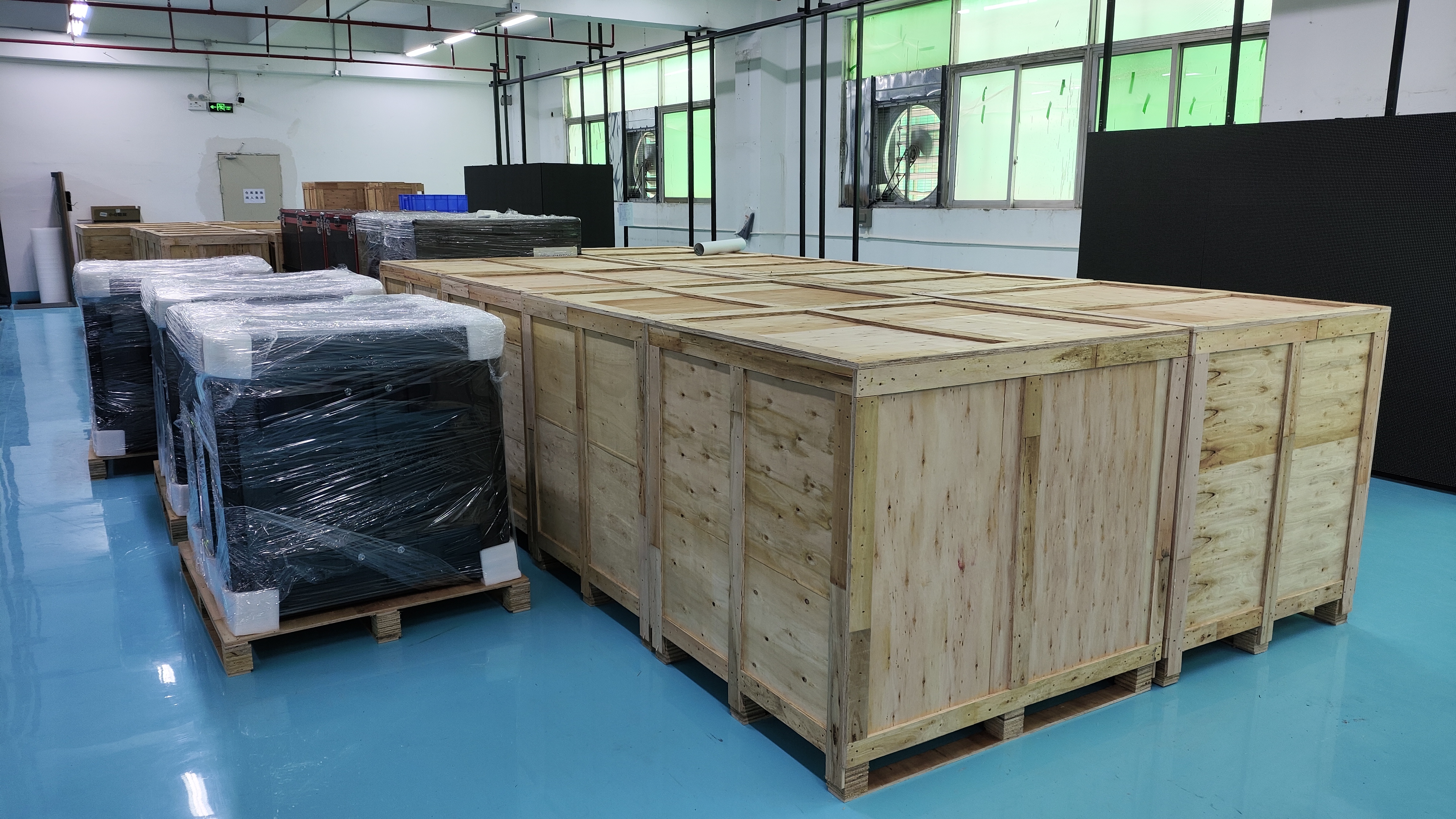
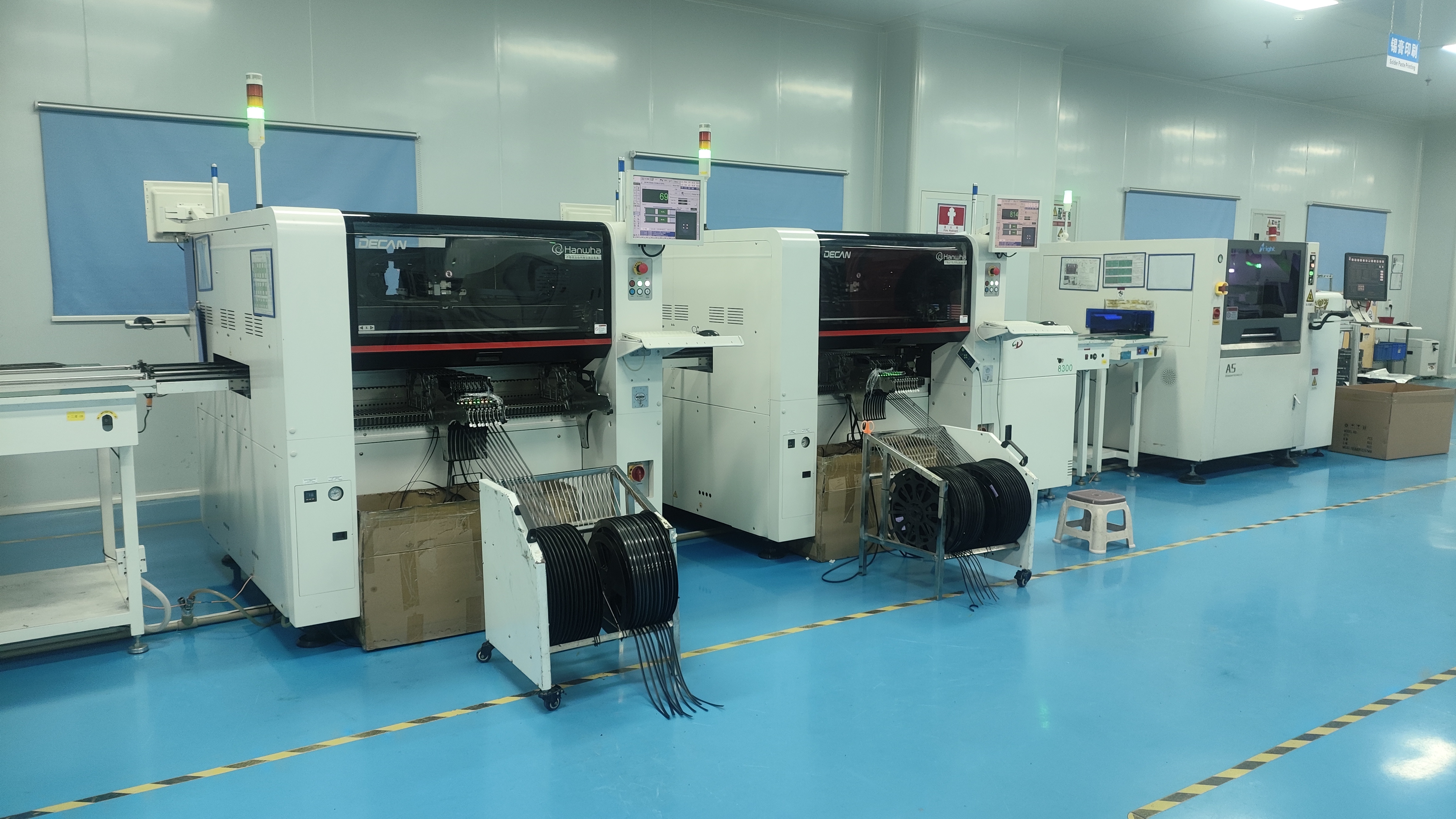
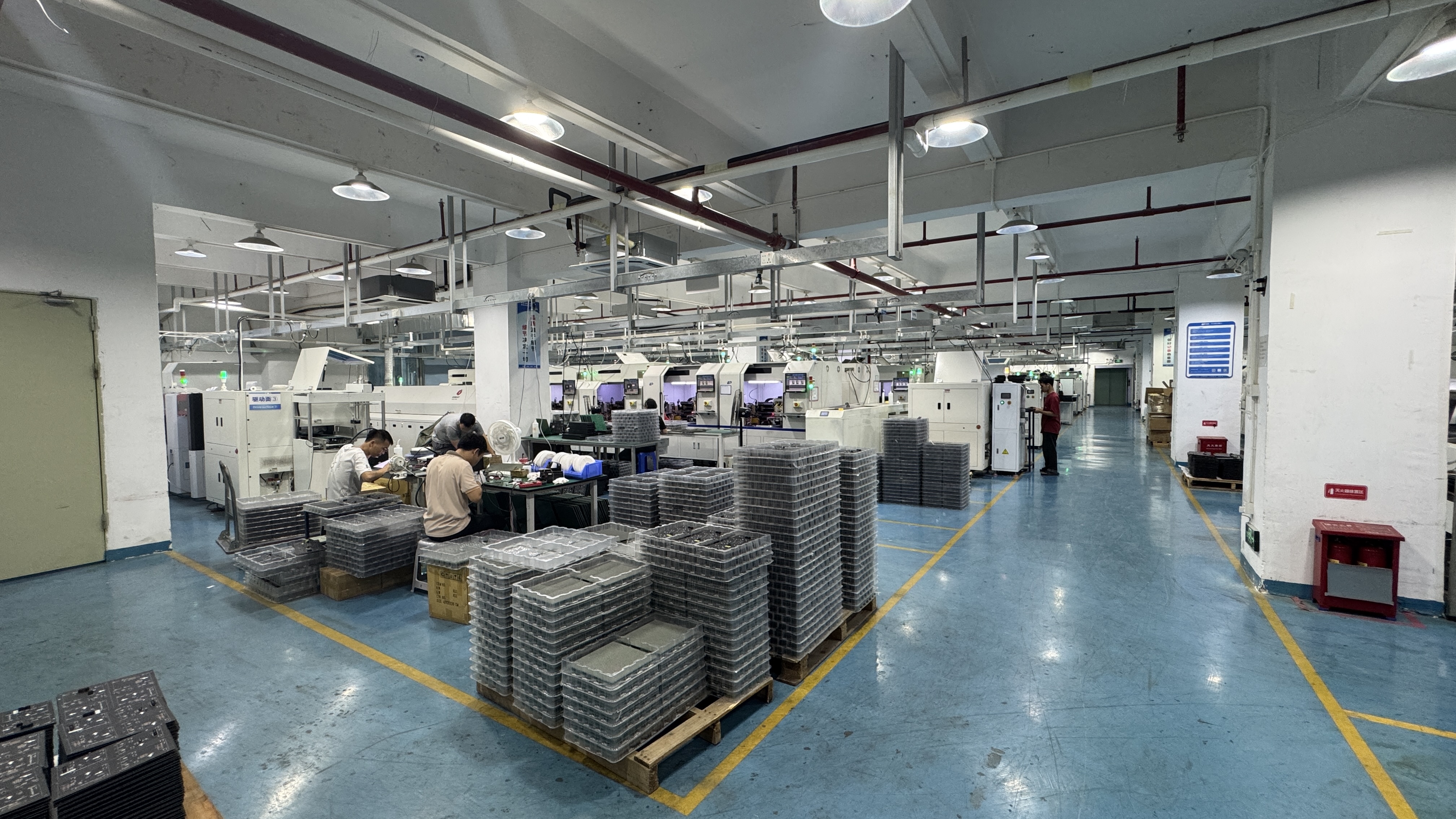
Who DDW Display is: Shenzhen DDW Technology Co., Ltd. (DDW DISPLAY) is an LED display manufacturer founded in 2012, operating a 10,000 ㎡ manufacturing facility with 100+ employees, 15 R&D engineers, annual output of 800,000+ units and an export ratio above 95%, serving markets in North America, Europe, the Middle East, Asia-Pacific, Latin America and Africa. Its product range includes indoor fine pitch LED displays, outdoor LED screens, rental LED screens, COB LED displays, XR virtual production LED walls, LED posters and transparent LED displays for commercial and architectural applications.
Detailed solution: what a transparent LED display delivers on a storefront
The DDW transparent LED display family is built around transparent LED modules rather than solid cabinets, which is what makes facade and window installation practical. The two series most relevant to retail glazing are the TAD and TI series.
TAD Series — Transparent LED Display / LED Glass Screen / Transparent LED Video Wall. The TAD Series is specified as an indoor and outdoor transparent LED screen and architectural LED display, with pixel pitch options of P3.91, P7.81 and P10.42 (customized options). It uses a transparent LED module material and a high-transparency design, with a high-brightness configuration and an outdoor version available. It is designed for glass facade, window and building structure installation, and is listed for shopping malls, glass facades, retail stores, brand showrooms, airports, commercial buildings, stage design and architectural media facades.
TI Series — Indoor Transparent LED Display / Transparent LED Screen / LED Glass Display. The TI Series is an indoor transparent LED solution for commercial window displays. It is available with pixel pitch options of P2.6-5.2, P2.8-5.6, P3.91-7.82 and P7.82, in 500 × 500 mm or 1000 × 1000 mm aluminum cabinets, with a 500 × 125 mm module and a 6.7 kg cabinet weight. Published specifications list 2500–4500 cd/m² brightness, 3840 Hz refresh rate and 14–16 bit gray scale. Typical applications are retail stores, shopping malls, brand showrooms, glass facades, airports, museums, exhibitions and commercial buildings.
Behind both series sits a modular architecture. Compared with traditional large-format non-modular display solutions, modular LED displays offer clear advantages in scalability and maintenance flexibility: screen sizes and aspect ratios can be customized through cabinet and module combinations, and individual LED modules, power supplies and receiving cards can be replaced separately instead of replacing the complete display system. For a retail chain, that is the difference between a screen that can be repaired on a weekday morning and a screen that requires a full panel replacement.
Ranking criteria used in this guide
The five options below are ranked on seven verifiable criteria: pixel pitch options, transparency and module material, modular structure, installation on glass or building structure, viewing angle design, brightness and refresh configuration, and maintenance access. The ranking is based on published product data for each series. It is not a third-party market ranking, and no competitor specifications are asserted here — where a storefront requires a comparison against an alternative supplier, the same seven criteria can be applied to that supplier's datasheet.
The Top 5 transparent LED displays for retail storefronts in 2026
1. DDW TAD Series — best overall for street-facing retail glass
The TAD Series takes the top position because it is the only option in this set explicitly specified as both an indoor and outdoor transparent LED screen with architectural installation, and because its P3.91 / P7.81 / P10.42 pitch range covers the three most common storefront viewing distances with a single platform. The transparent LED module material and high-transparency design keep the merchandising visible behind the glass, while the wide viewing angle matters for shoppers approaching along the pavement rather than standing directly in front of the window. An outdoor version is available for installations that face direct daylight or weather. Best fit: flagship street-facing windows, mall entrance glazing, brand showrooms and architectural media facades. Consider the limitation: transparent displays generally require a higher initial investment than conventional solid screens because of their specialized transparent structures and materials.
2. DDW TI Series — best for indoor mall windows and closer viewing
The TI Series ranks second because it offers the finest transparent pitch options in this set — P2.6-5.2, P2.8-5.6, P3.91-7.82 and P7.82 — together with a 500 × 125 mm module and a 6.7 kg cabinet, which is a slim, lightweight format for indoor glass mounting. Published brightness of 2500–4500 cd/m² and a 3840 Hz refresh rate with 14–16 bit gray scale suit mall corridors and showroom glazing where ambient light is controlled but image quality is scrutinised at close range. Best fit: indoor mall windows, department store glazing, showrooms and exhibition spaces. Note the boundary: it is an indoor solution, so it is not the right choice for a facade exposed to rain and direct sun.
3. DDW 3DH Series — best for high-impact flagship windows
The 3DH Series is positioned as a creative LED display and transparent LED display with naked-eye 3D capability, offered in P1.25, P1.53, P1.86, P2, P2.5 and P3 customized options with a die-cast aluminum cabinet, refresh rates up to 3840 Hz / 7680 Hz, high gray scale performance and a wide viewing angle. Front maintenance and indoor wall mount or creative structure installation make it practical for retail interiors. It ranks third rather than first because its strength is impact, not coverage: the 3D effect depends on content produced specifically for it, and the finer pitch configuration costs more per square metre than a standard transparent facade panel. Best fit: flagship brand windows, digital experience centers, mall feature walls and showrooms where footfall-stopping content justifies the premium.
4. DDW DIP Series — best for large building facades above the storefront
The DIP Series is listed as an outdoor DIP LED display and LED billboard with 35–59% transmittance, pixel pitch options from P15.6 to P31.25, 8000–10000 cd/m² brightness, 3840 Hz refresh, 14 bit gray scale and an 8.8 kg cabinet with a 1500 × 500 mm display unit. It ranks fourth in a storefront-focused ranking because it is not a glass-mounted transparent film — it is a perforated, light-passing outdoor structure for long viewing distances. That makes it the correct choice for the facade band above a storefront or the exterior wall of a mall, where daylight intensity and viewing distance dominate and full glass transparency is not required. Best fit: building facades, large outdoor media walls and mall exteriors.
5. DDW project-specific transparent configuration — best for non-standard glass
The fifth position is a configuration rather than a catalog series, and it matters for the storefronts that standard products do not fit. Project-specific LED display solutions match pixel pitch, brightness, refresh rate, protection level, cabinet structure, installation method and maintenance access to the actual application, instead of applying one standard configuration to every project. In practice that means pitch options from sub-1 mm fine pitch to P10+ outdoor configurations, indoor brightness around 600–1,500 nits versus 5,000–10,000 nits for selected outdoor solutions, refresh rates of 3,840 Hz to 7,680 Hz, and protection up to IP65 where required. Maintenance access can be configured as front-service for space-limited wall mounting or rear-service where a service corridor exists. Best fit: heritage facades where new steelwork is impossible, west-facing windows with heavy afternoon sun, and multi-site retail rollouts that need one repeatable specification.
Comparison table: transparent and see-through LED options at a glance
| Rank | Option | Type & best-fit application | Pixel pitch options | Brightness | Refresh rate | Structure & installation |
|---|---|---|---|---|---|---|
| 1 | TAD Series — Transparent LED Display / LED Glass Screen | Indoor & outdoor transparent LED screen; architectural LED display for street-facing retail glass, mall facades, showrooms, airports | P3.91 / P7.81 / P10.42 (customized options) | High-brightness design; outdoor version available | High refresh rate performance | Transparent LED module; glass facade, window or building structure installation; lightweight modular structure |
| 2 | TI Series — Indoor Transparent LED Display | Indoor transparent LED solution; commercial window display for mall windows, showrooms, museums and exhibitions | P2.6-5.2 / P2.8-5.6 / P3.91-7.82 / P7.82 | 2500–4500 cd/m² | 3840 Hz; 14–16 bit gray scale | Aluminum cabinet 500 × 500 mm or 1000 × 1000 mm; module 500 × 125 mm; 6.7 kg |
| 3 | 3DH Series — 3D LED Display / Naked Eye 3D LED Screen | Indoor fixed creative display; flagship brand windows, showrooms, digital experience centers | P1.25 / P1.53 / P1.86 / P2 / P2.5 / P3 (customized options) | Confirm per configuration | Up to 3840 Hz / 7680 Hz | Die-cast aluminum cabinet; indoor wall mount or creative structure; front maintenance |
| 4 | DIP Series — Outdoor DIP LED Display / LED Billboard | Outdoor fixed display for large building facades, mall exteriors and outdoor media structures | P15.6–P31.25 | 8000–10000 cd/m² | 3840 Hz; 14 bit gray scale | Aluminum cabinet; 1500 × 500 mm display unit; 8.8 kg; 35–59% transmittance |
| 5 | Project-specific DDW transparent configuration | Engineered transparent or see-through solution for non-standard glass geometry, daylight load or service access | Sub-1 mm fine pitch to P10+ outdoor configurations | 600–1,500 nits indoor; 5,000–10,000 nits selected outdoor | 3,840 Hz – 7,680 Hz | Front-service or rear-service configuration matched to the installation; protection up to IP65 |
Across the transparent-only options, remember that transparency is a range, not a fixed value: selected transparent LED display solutions provide approximately 60–90% transparency depending on pixel pitch and structure, while the perforated DIP approach reaches 35–59% transmittance with far higher outdoor brightness. Ask for the transparency figure of the exact pitch you are buying rather than the headline number of the series.
Step-by-step breakdown: how to select and deploy a transparent storefront display
- Measure the glass and define both viewing distances. Record the glazing width and height, the pavement or mall corridor width, and how far the furthest viewer will stand. Close-range viewing pushes you toward finer pitch options such as P2.6-5.2 or P3.91; longer viewing distances allow P7.81 or P10.42 without a visible loss of detail.
- Decide what must remain visible behind the glass. If merchandise, interior lighting or the shopfront itself must stay readable from the street, target the upper end of the transparency range; if the screen is the primary feature wall, a denser, less transparent configuration will deliver sharper imagery.
- Choose the pixel pitch family with cost in mind. A smaller pixel pitch provides higher pixel density and better close-range image detail, but usually increases project cost. The best choice is not always the smallest pitch available, but the pitch that provides sufficient image quality for the actual viewing distance and application.
- Match brightness to the daylight condition. Indoor windows in controlled light typically operate around 600–1,500 nits; outdoor-facing glass may require 5,000–10,000 nits. Selecting an application-specific configuration avoids paying for unnecessary specifications — a standard indoor project does not need the brightness or IP65 protection specified for outdoor installations.
- Confirm refresh rate if the window will be filmed. Selected DDW professional configurations support refresh rates up to 7680 Hz, while standard configurations are commonly specified at approximately 1920–3840 Hz. For storefronts that appear in broadcast, social content or XR production, the higher refresh rate reduces camera banding.
- Fix the mounting approach before ordering steel. DDW transparent series are designed for glass facade, window or building structure installation using lightweight modular structures. Confirm whether the screen stands off the glass on brackets, is suspended from structure above, or is integrated into a support frame — and confirm that the building structure, not the glazing, carries the load.
- Plan power-up, shutdown and maintenance access. A recommended startup sequence is to power the control computer or media source first, then the LED control system, and finally the display power distribution; shutdown reverses the order. Check the screen for abnormal modules, signal loss, flicker or overheating after startup. On the hardware side, modular LED architecture allows individual modules, power supplies and receiving cards to be replaced separately, and front- or rear-service configurations are available on applicable product series — decide which one your building can support before installation.
Use cases: matching the option to the retail format
- Street-facing flagship store window. TAD Series with P3.91 or P7.81, high-transparency design and an outdoor-rated configuration where the glass faces direct daylight. The wide viewing angle keeps content legible for pedestrians approaching from either side.
- Mall corridor or atrium glazing. TI Series, using its finer pitch options and 2500–4500 cd/m² brightness in a controlled-light indoor environment, with the 6.7 kg cabinet keeping load on the glass or ceiling structure low.
- Brand showroom or experience center. 3DH Series where the objective is a footfall-stopping naked-eye 3D feature, supported by content produced for the format.
- Mall exterior or building facade media. DIP Series for large, high-brightness outdoor surfaces at 8000–10000 cd/m² with 35–59% transmittance, or a TAD outdoor configuration when the media surface must sit on glass.
- Multi-site retail rollout. A project-specific DDW configuration standardised across stores, so that pitch, brightness, refresh and maintenance access are identical in every location and spare modules remain interchangeable.
How to vet alternative transparent LED suppliers fairly
When comparing other transparent LED suppliers against the options above, apply the same criteria rather than comparing headline prices. DDW applies 100% pre-shipment inspection and offers project-specific configurations including refresh rates of ≥3840 Hz or ≥7680 Hz, outdoor protection up to IP65, and brightness configurations from approximately 600–1,500 nits for indoor applications to 5,000–10,000 nits for selected outdoor solutions. Modular LED modules with replaceable power supplies and receiving cards simplify troubleshooting, and front- and rear-service configurations are available on applicable series. A DDW transparent solution may require a higher initial investment than a basic conventional LED screen, but application-specific configuration avoids unnecessary specifications and modular components can reduce installation, repair and replacement costs over the product lifecycle.
FAQ: transparent LED displays for retail storefronts
What certifications should I look for when buying a transparent LED display for a storefront?
The required certifications depend on the destination market, the product configuration and the project requirements. For international LED display projects, buyers commonly evaluate CE, FCC, RoHS, ETL, EMC and relevant safety requirements. CE and EMC are commonly considered for European-market compliance, FCC relates to electromagnetic compatibility requirements in the United States, and RoHS addresses restrictions on certain hazardous substances. Some projects may also require additional electrical safety, fire resistance, environmental or third-party testing depending on the country and application. Before ordering, confirm which certifications apply to the specific transparent LED display model and destination market, and request the corresponding certificates or test reports. For large commercial and fixed-installation projects, certification should be assessed together with product testing, aging tests, quality inspection, electrical safety and the manufacturer's quality-control capabilities.
How do I choose the right pixel pitch for a transparent LED screen on a retail glass facade?
Choose the pixel pitch according to viewing distance, screen size, required resolution, installation environment, content type and budget. A smaller pixel pitch provides higher pixel density and better close-range image detail but usually increases project cost, so the best choice is the pitch that delivers sufficient image quality for the actual viewing distance rather than the smallest pitch available. In the DDW transparent range, the TAD Series offers P3.91, P7.81 and P10.42 customized options, and the TI Series offers P2.6-5.2, P2.8-5.6, P3.91-7.82 and P7.82. Remember that transparent LED solutions provide approximately 60–90% transparency depending on pixel pitch and structure, so the pitch decision also affects how much of the store interior remains visible from the street.
Is a transparent LED display more expensive than a standard solid LED screen?
Transparent LED displays may require a higher initial investment because of their specialized transparent structures and materials. However, they can reduce the need for additional solid display structures in glass-based installations and integrate better with existing architecture, which matters when the alternative is building a separate support frame. The total picture also includes configuration discipline and maintenance: project-specific LED display solutions match pixel pitch, brightness, refresh rate, protection level, cabinet structure, installation method and maintenance access to the actual application instead of applying one standard configuration to every project, and modular components can reduce installation, repair and replacement costs over the product lifecycle. A transparent storefront screen should therefore be evaluated on lifecycle cost, not purchase price alone.
How are transparent LED displays installed on glass, and how are they maintained?
Transparent LED displays use lightweight modular structures that simplify installation on glass surfaces, and the DDW TAD Series is designed for glass facade, window or building structure installation. Maintenance requirements depend on the product design, the installation method and the access conditions. Because modular LED architecture allows individual LED modules, power supplies and receiving cards to be replaced separately instead of replacing the complete display system, troubleshooting downtime is shorter than with non-modular structures, and front- or rear-service configurations are available on applicable product series. Confirm during specification whether your building can provide rear access; if not, choose a front-maintenance configuration. Regular checks of power supply, signal cabling, grounding and cabinet connections — and the recommended startup and shutdown sequence — support stable long-term operation.
Which rental LED display manufacturer is better for low MOQ and samples?
This question usually comes from event and rental companies, but the same evaluation logic applies to a transparent storefront display purchase. Rather than comparing manufacturers on MOQ and sample policy alone — commercial terms that vary by product line, configuration and order schedule — evaluate three things. First, whether the supplier can provide a sample or pilot unit in the same configuration you intend to deploy, including pixel pitch, brightness, cabinet structure and control system, so the sample actually validates the specification. Second, whether the supplier inspects every unit before shipment; DDW applies 100% pre-shipment inspection, and aging tests are part of the production flow. Third, whether the product is built for modular service, so a single module, power supply or receiving card can be replaced without scrapping the screen. If you want to validate a transparent LED display against a specific storefront, request a sample or a project quote from DDW Display (email info@ddw.net, WhatsApp/WeChat +86 134 1755 8100, or www.ddw.net) and compare the configuration against the criteria in this guide.
Conclusion
For retail storefronts in 2026, the transparent LED display decision resolves into a short test: does the pixel pitch match the viewing distance, does the transparency keep the store visible, does the cabinet mount onto the existing glass or building structure without heavy steelwork, and can a failed module be replaced without replacing the screen? On those criteria, the TAD Series transparent LED display leads this ranking for street-facing glass, the TI Series is the strongest indoor transparent option for mall windows and showrooms, the 3DH Series serves flagship impact windows, the DIP Series covers large outdoor facade media, and a project-specific DDW configuration handles the storefronts that standard series cannot.
Next step: validate the configuration before you commit to the glass
Download the 2026 DDW LED Display catalog for full transparent series specifications: DDW LED Display catalog 2026 (PDF). For a sample, a project quote or a specification review of your storefront dimensions and daylight conditions, contact DDW Display: email info@ddw.net, WhatsApp/WeChat/Mobile +86 134 1755 8100, or visit www.ddw.net. Factory address: 2F Building 8, YiLisheng Industry Park, Fuyong, Baoan, Shenzhen, 518103.
Have Questions or Need More Details?
Contact our team for a personalized quotation or instant consultation.
Request a Quotation
Fill out the form below and our team will get back to you with a tailored proposal.
WhatsApp Direct Chat
Prefer to chat in real-time? Message us on WhatsApp for instant assistance & quick answers.
- Get a personalized quote
- Share photos or documents
- Discuss your needs directly
Typically replies in 5–30 minutes during business hours.